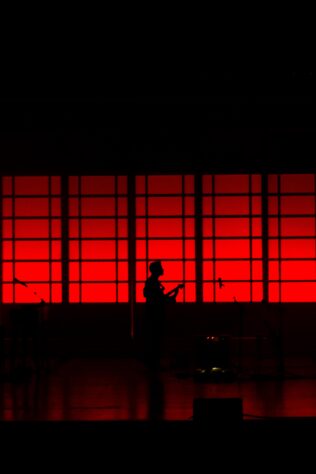
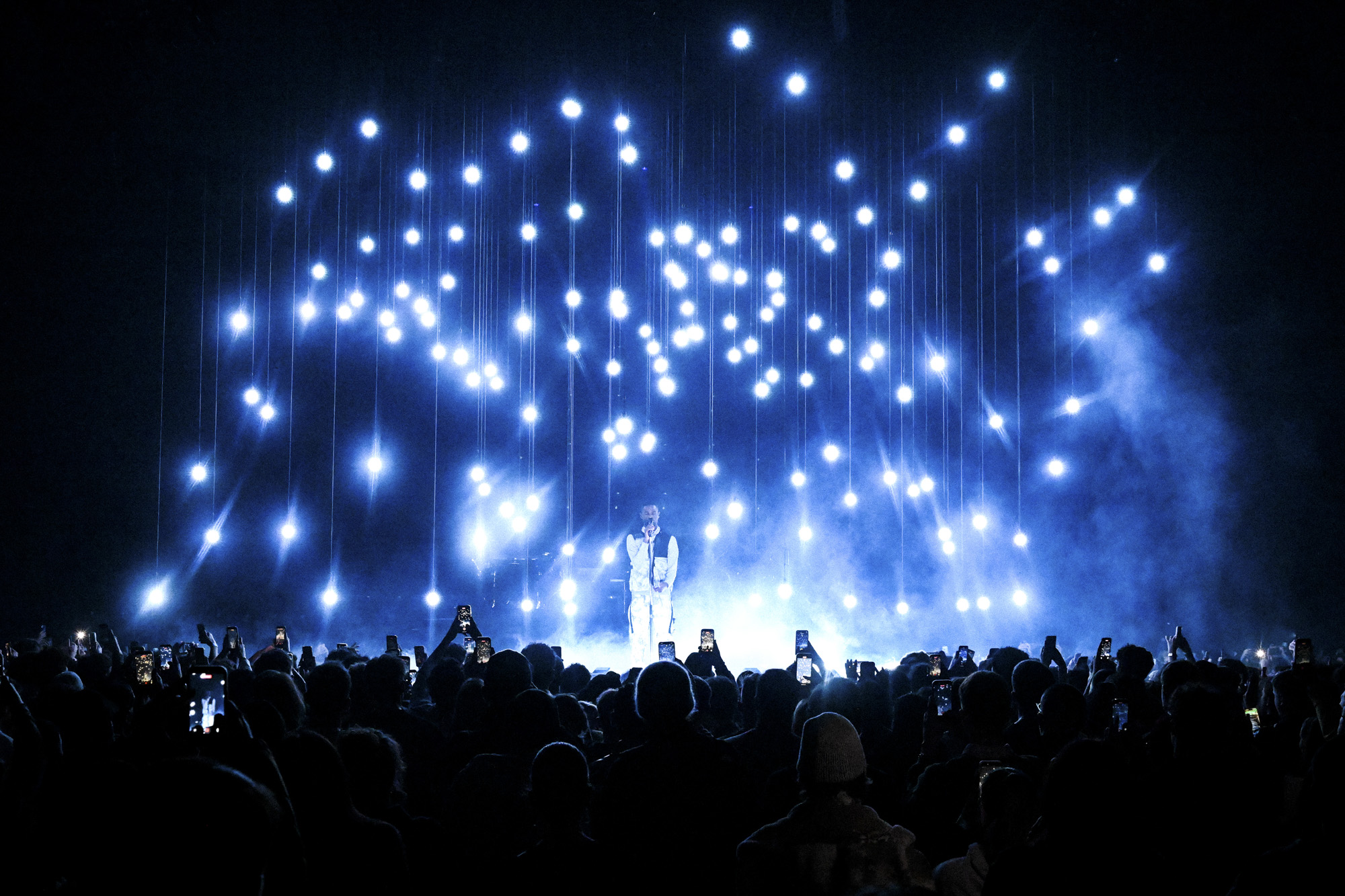
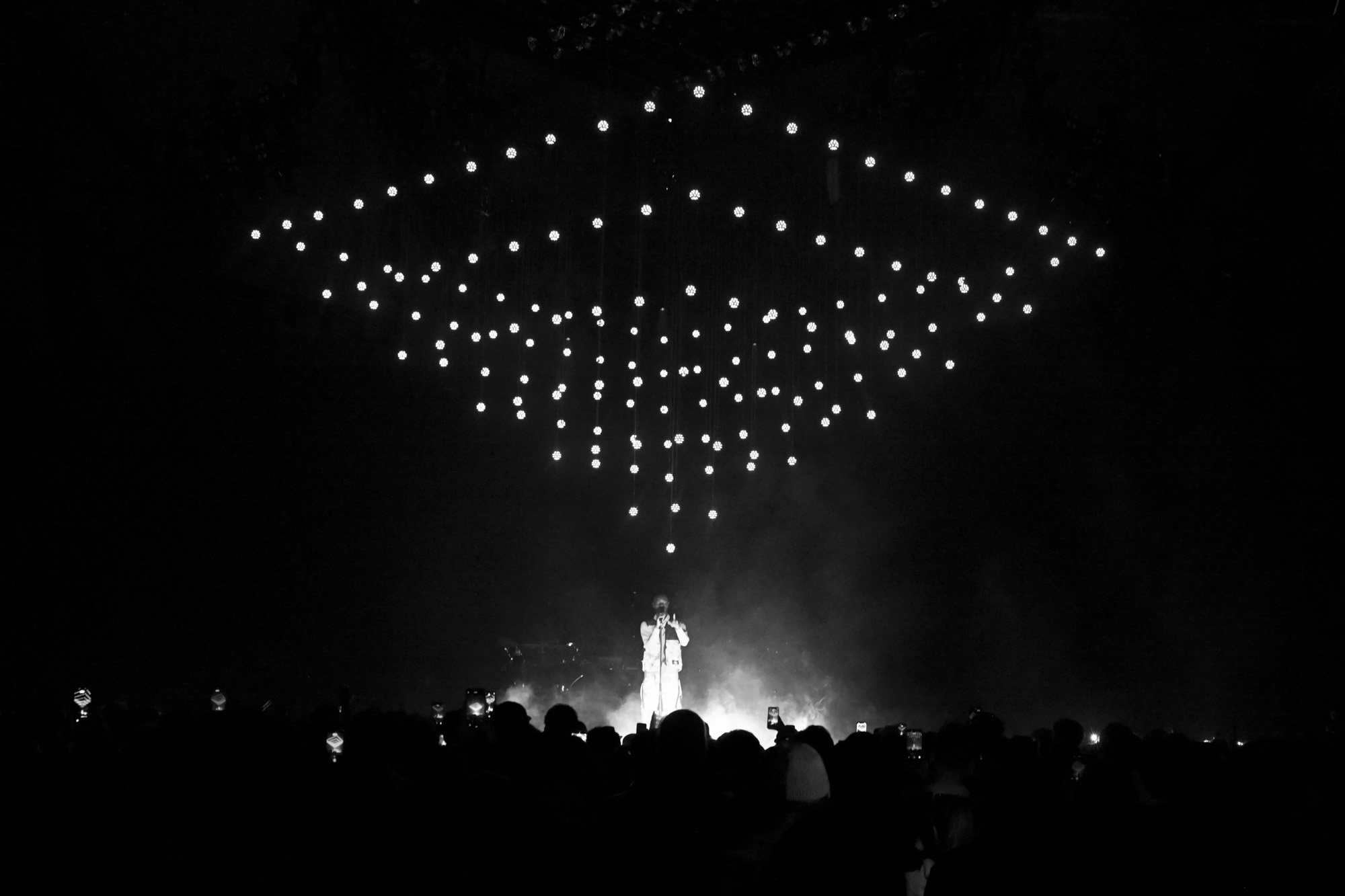
Dave’s “The Boy Who Played the Harp” tour is built around one powerful idea: Connection.
// 2026
// Arena Tour
// Europe & UK
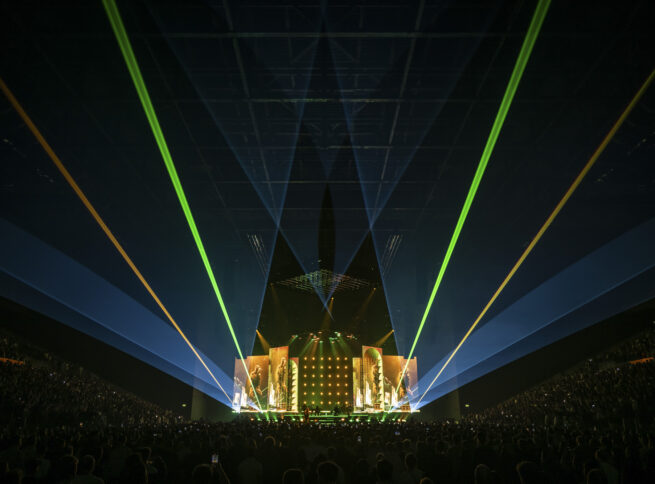
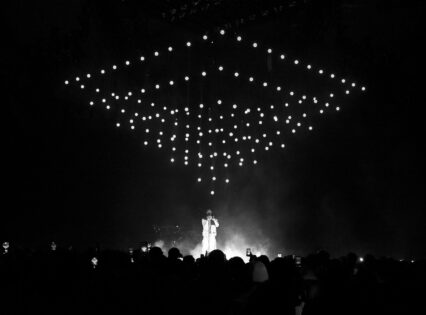
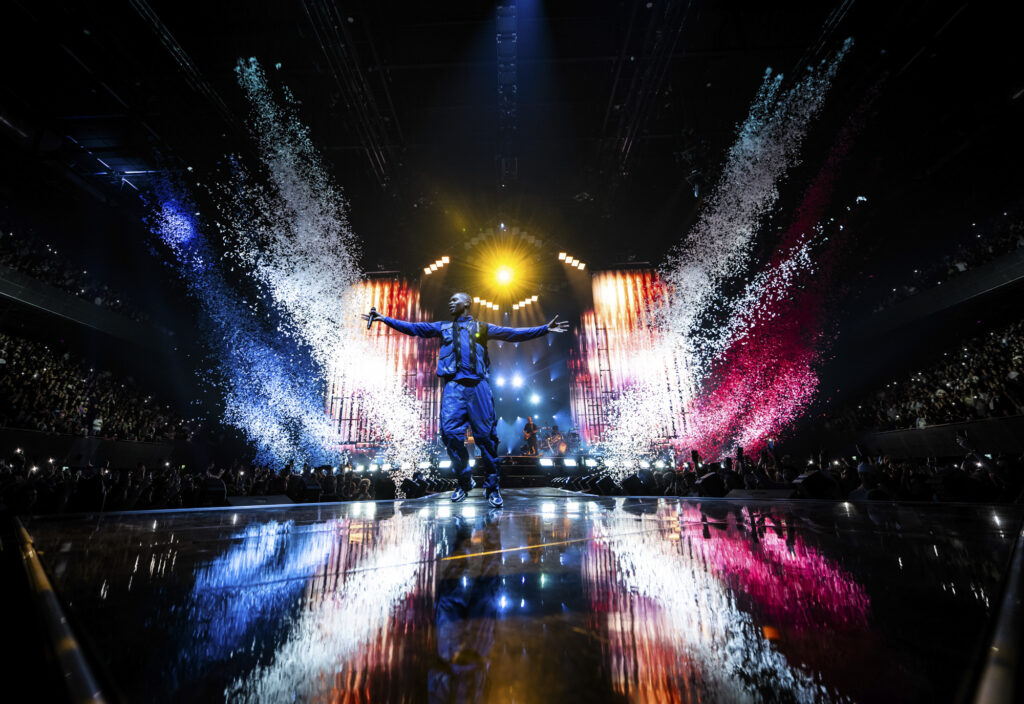
At its core, the design isn’t just about spectacle, it’s about drawing the audience closer to Dave through the physical expression of music itself. The show transforms instruments into storytelling tools, using light, movement, and space to expand sound into a fully immersive sensory experience.
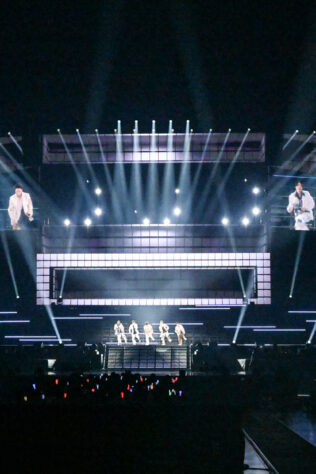
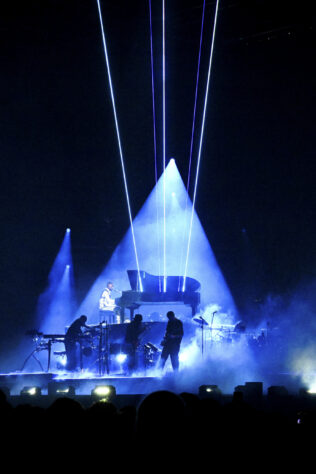
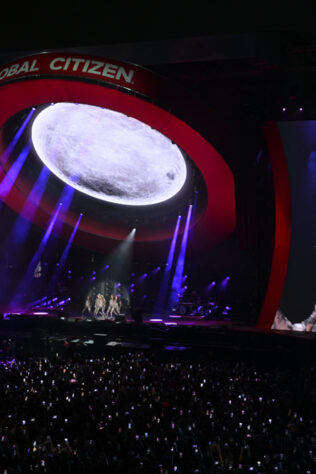
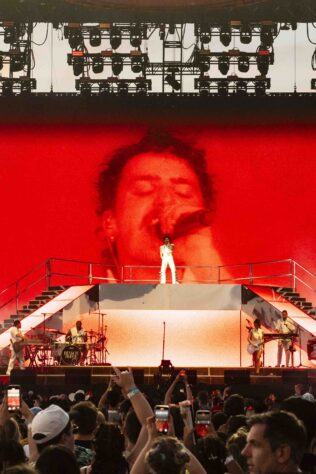
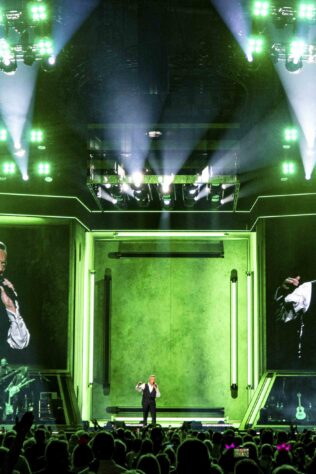
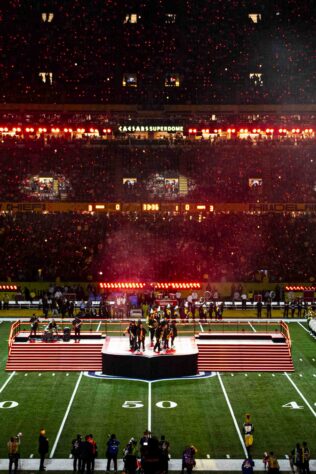
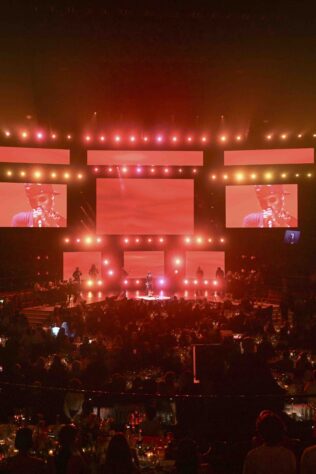
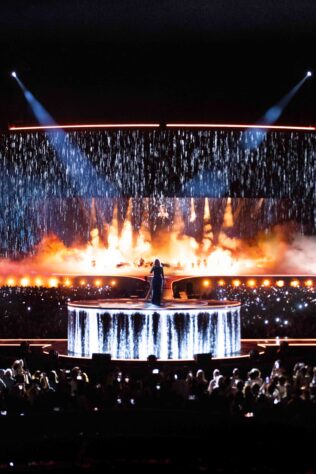
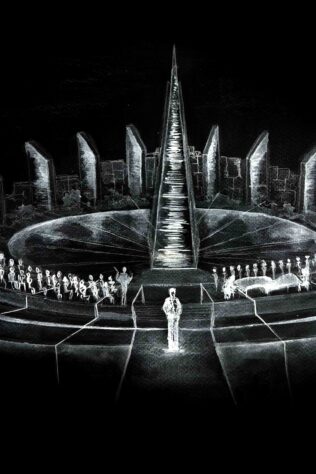
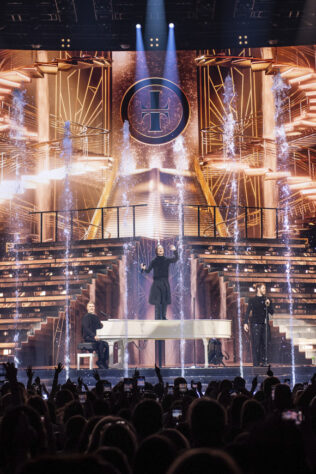
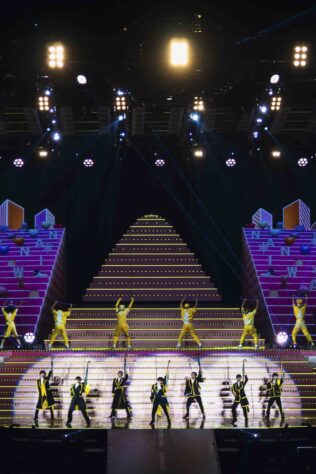
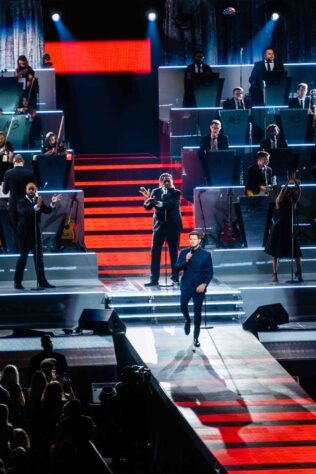
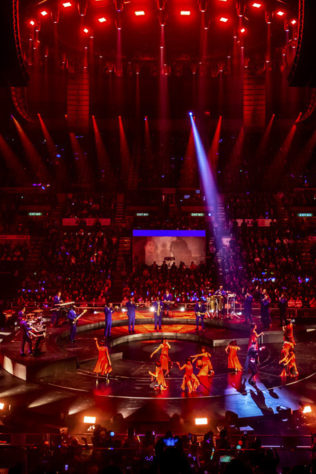
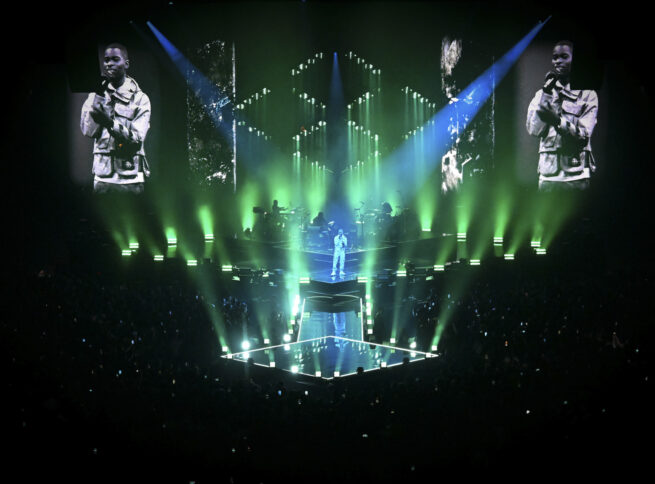
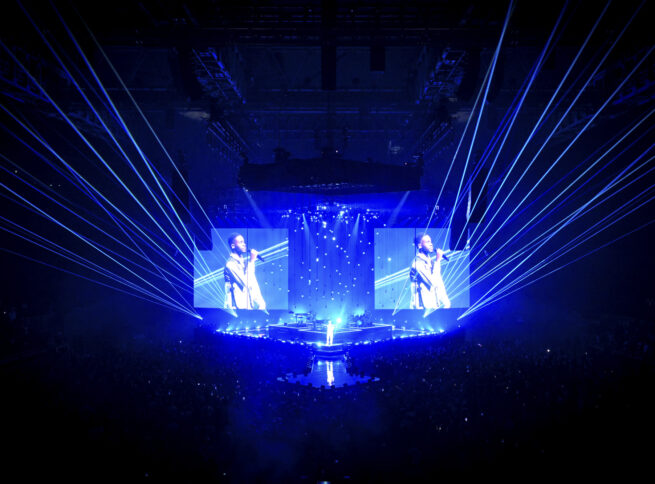
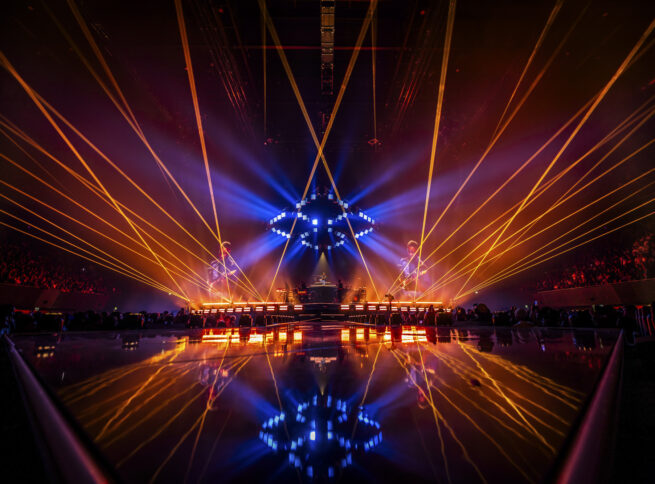
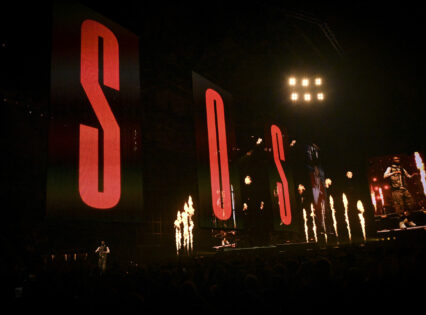
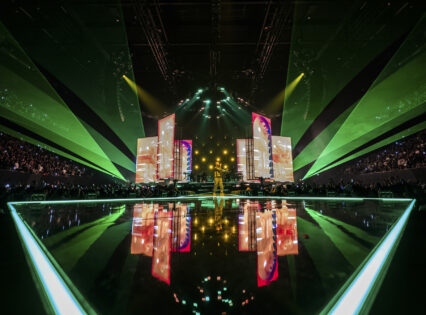
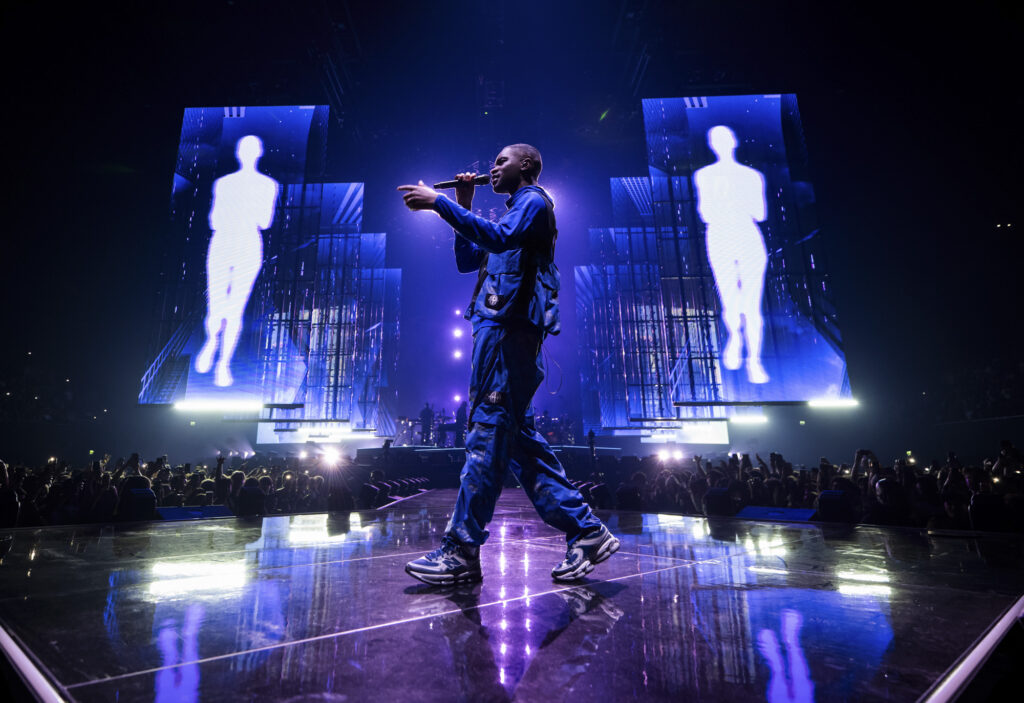
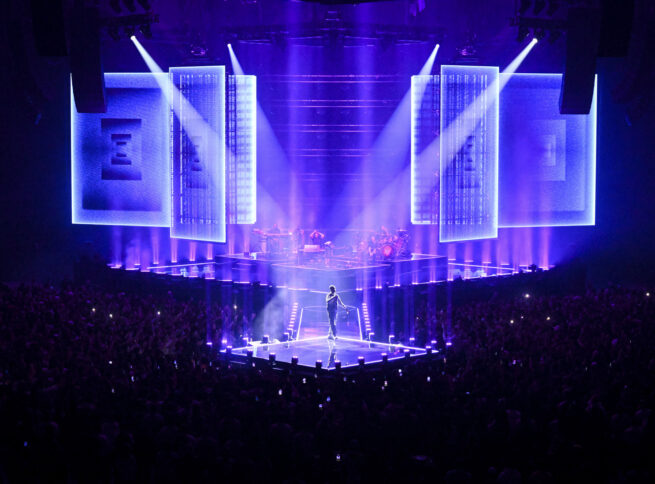
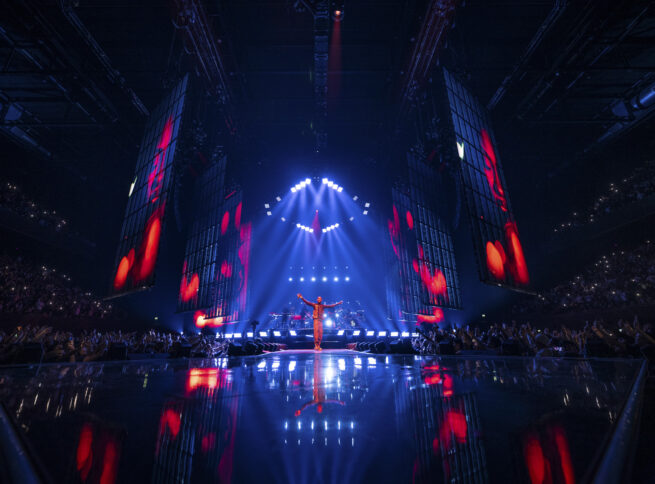
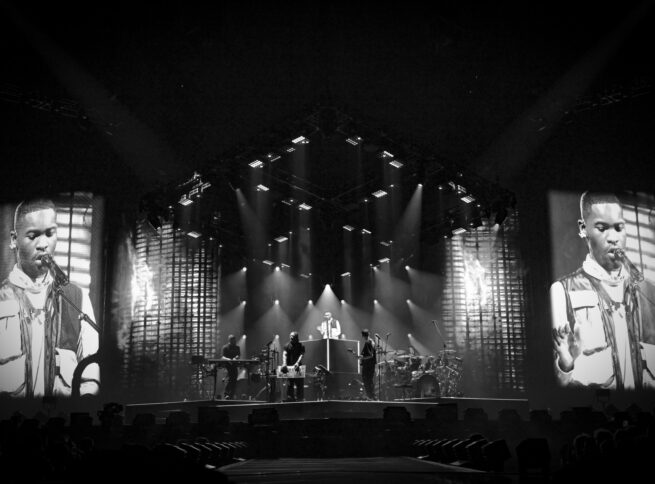
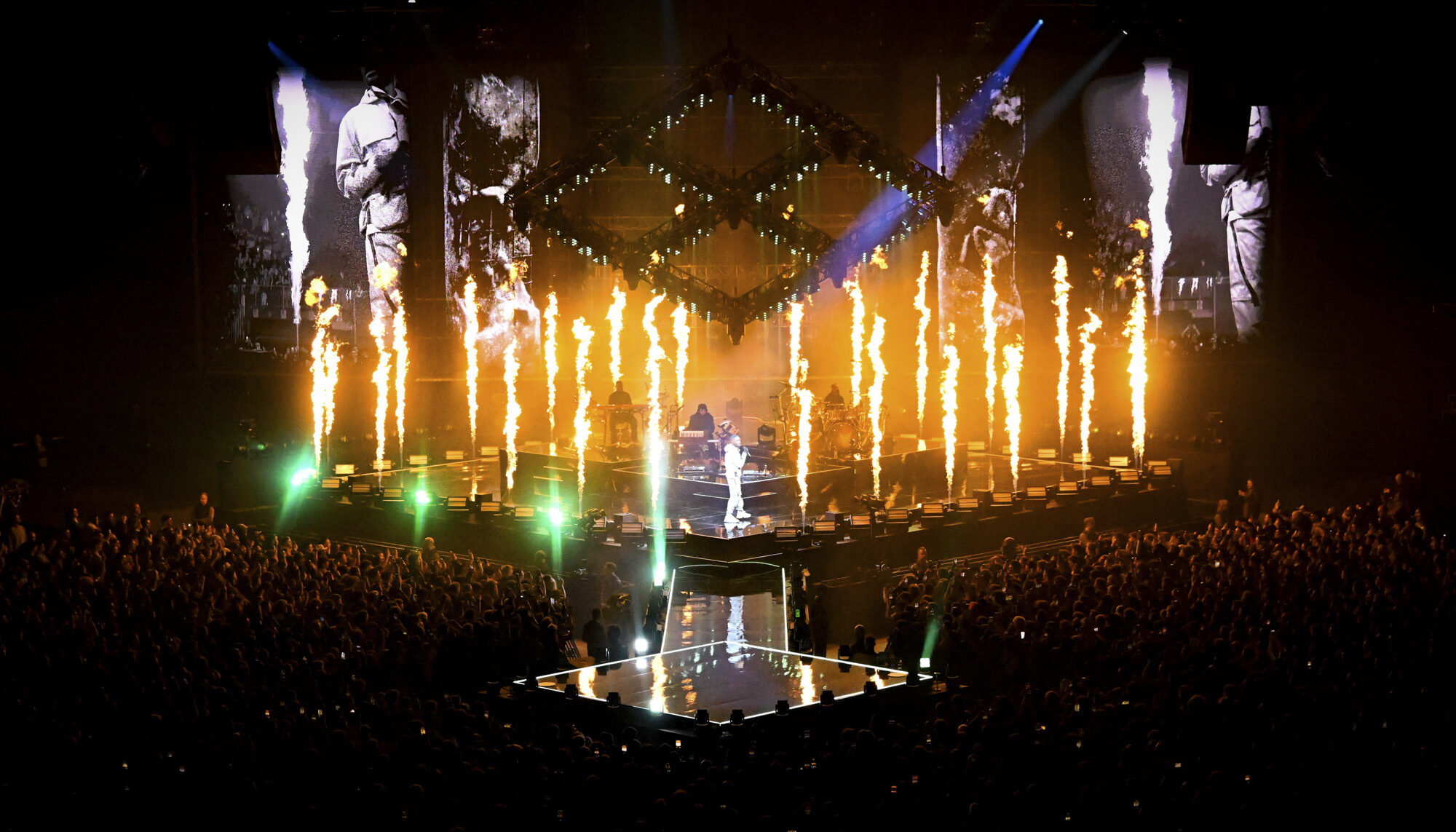
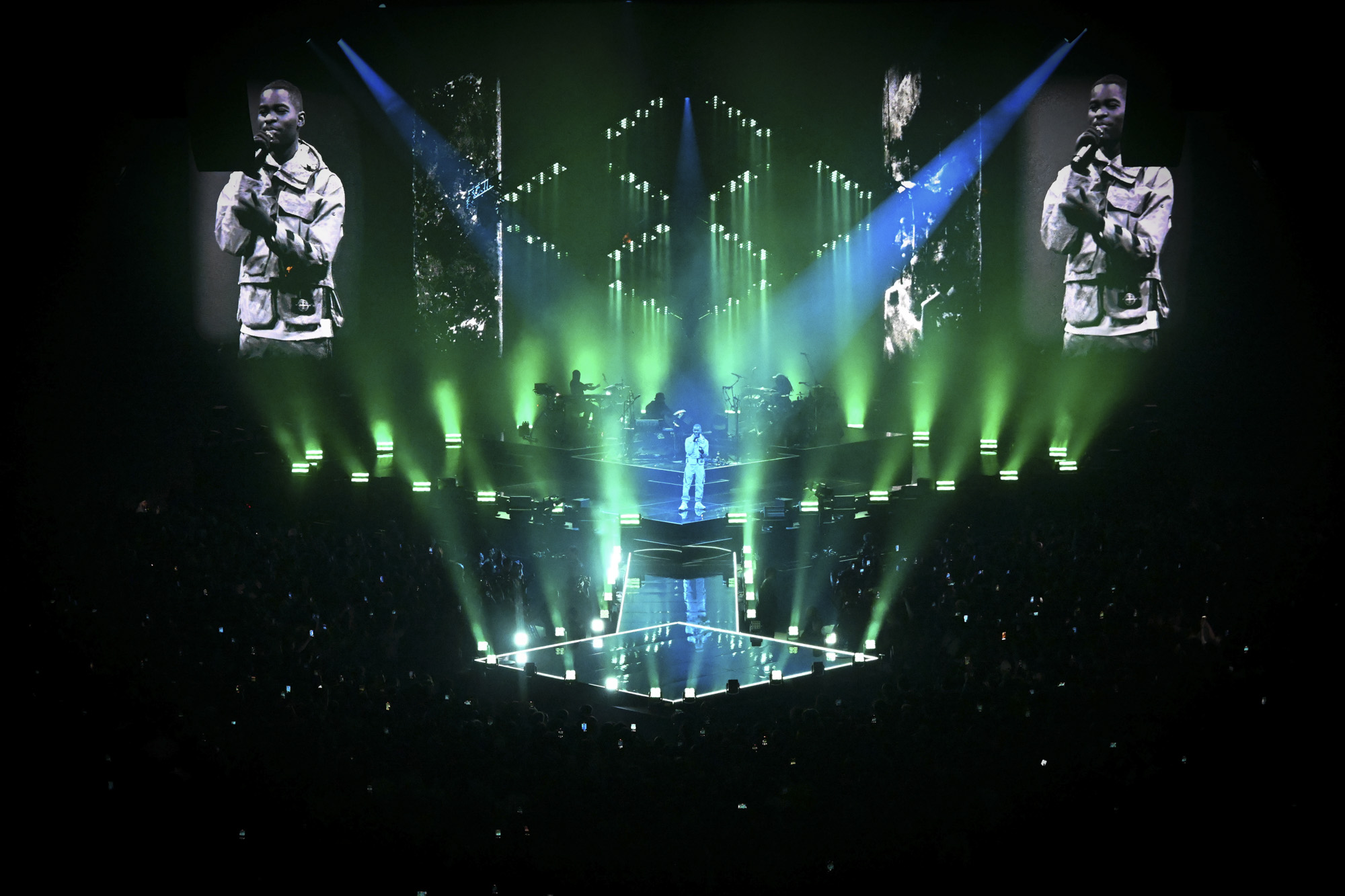
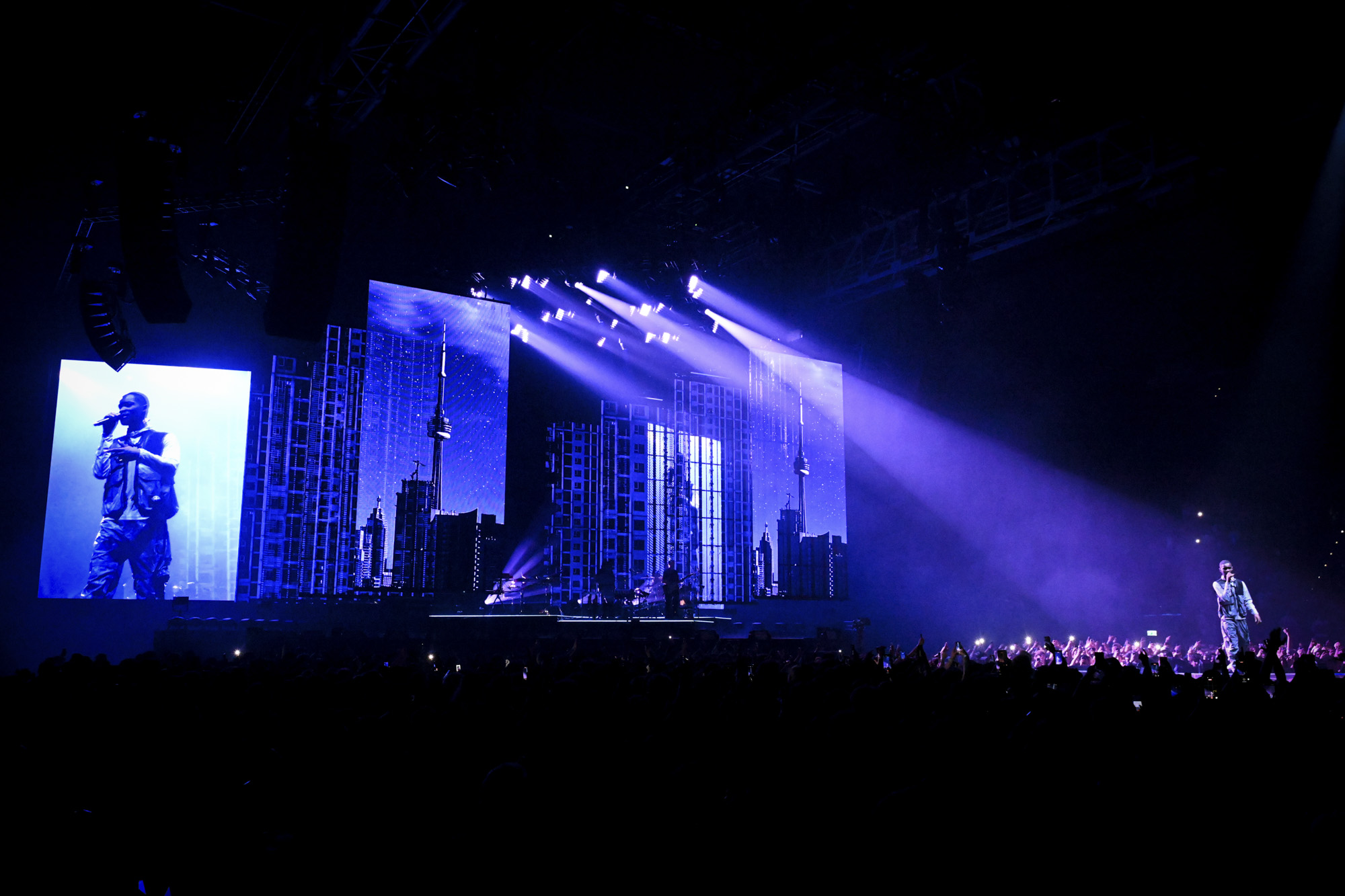
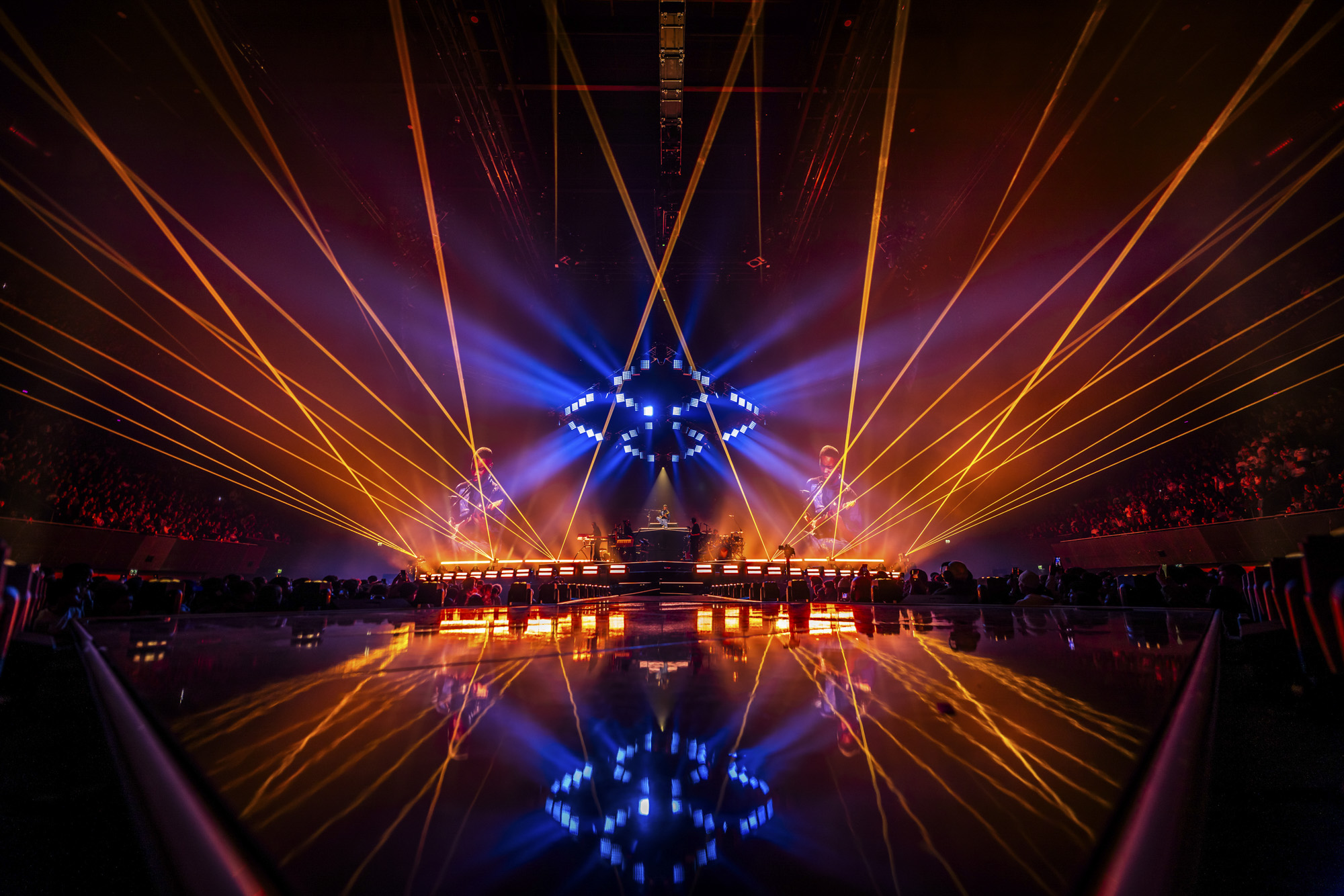
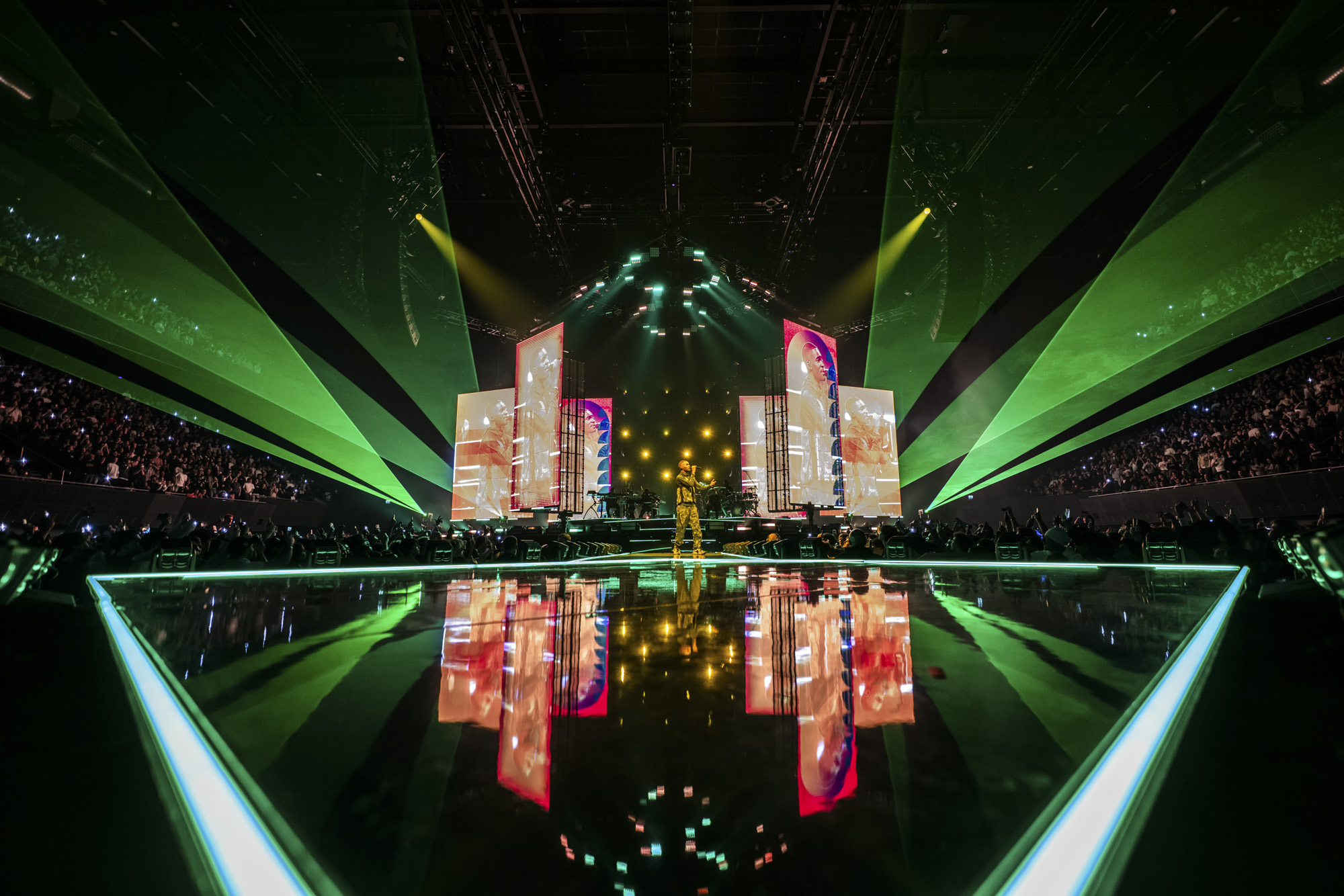
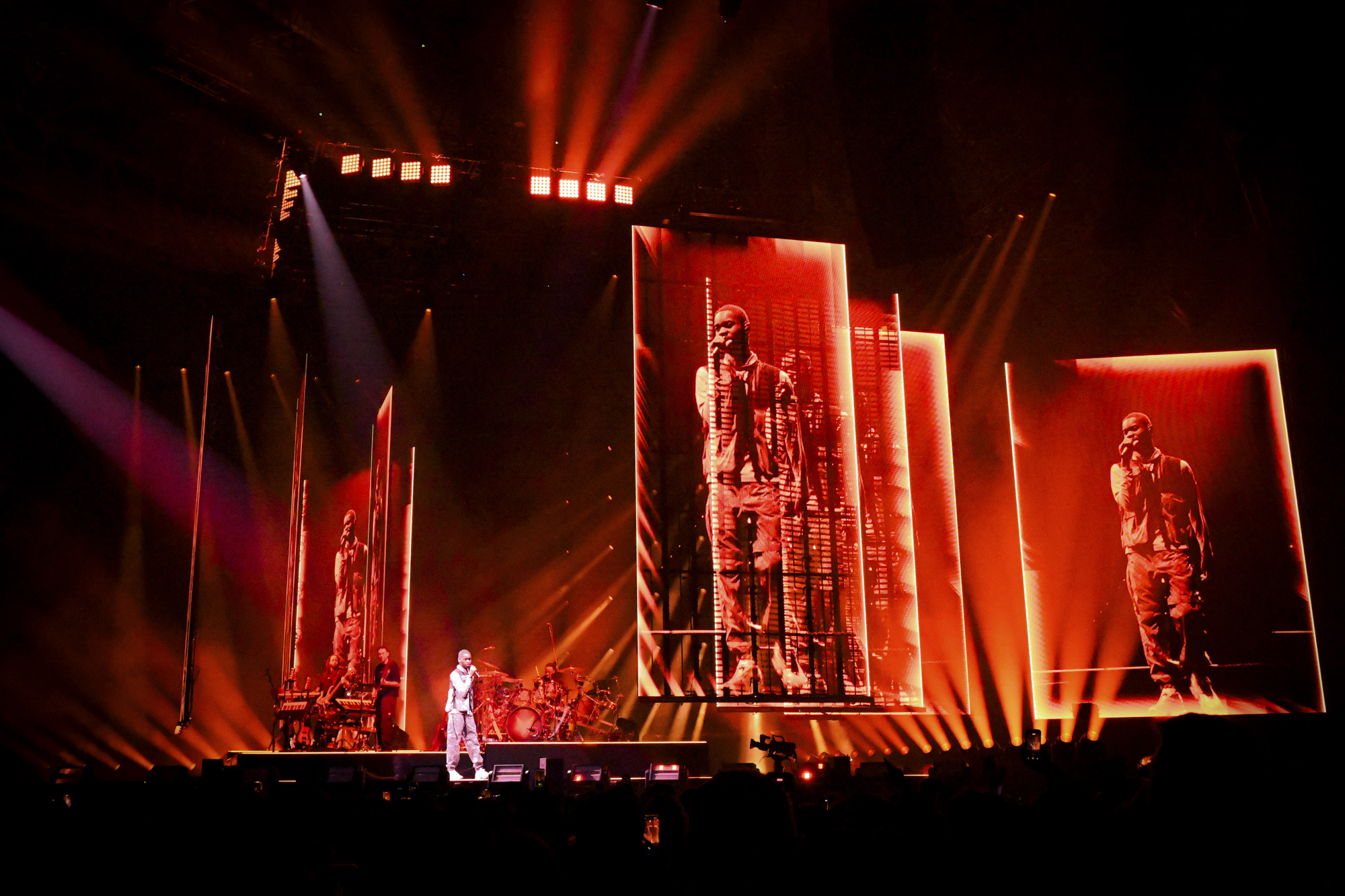
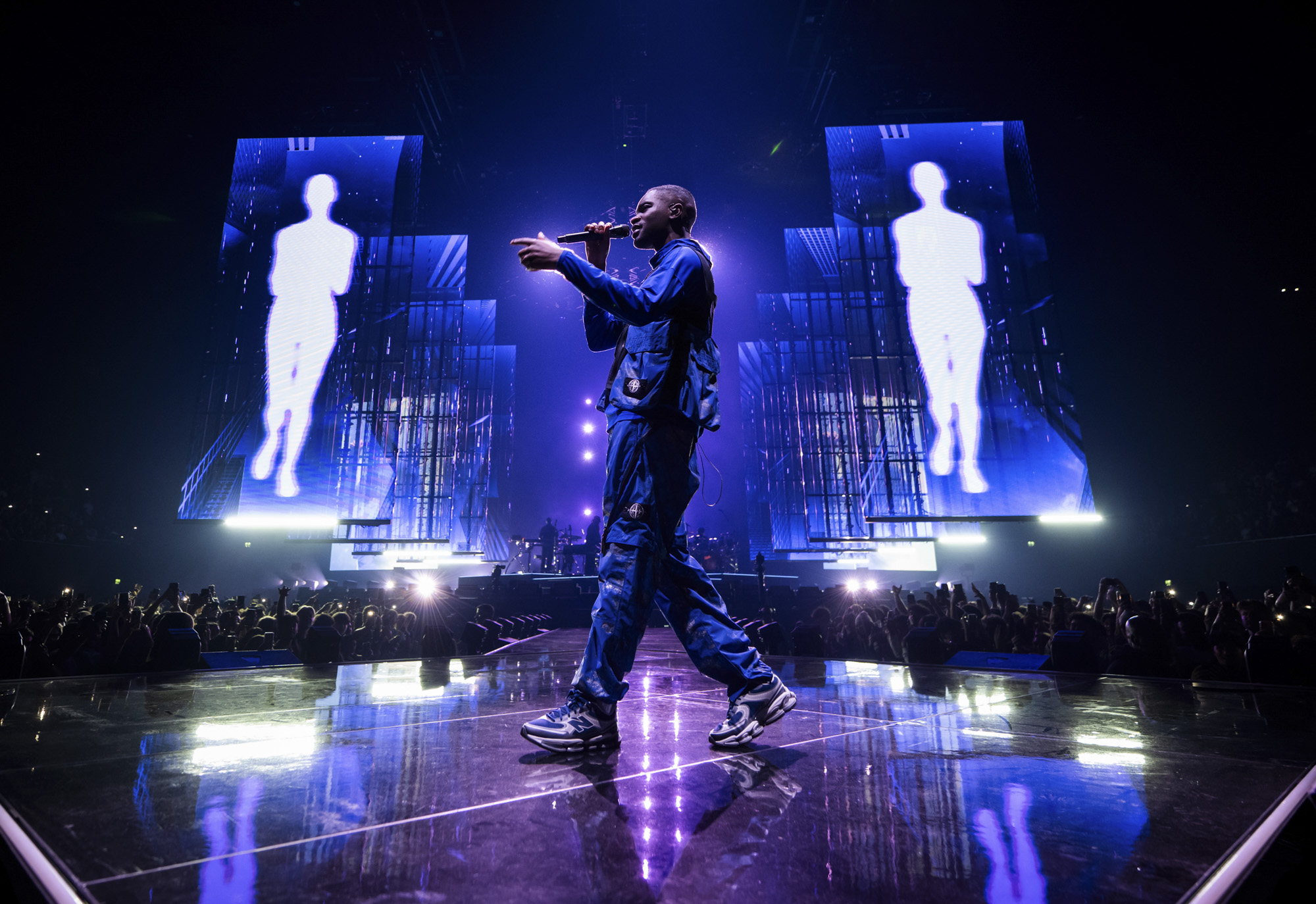
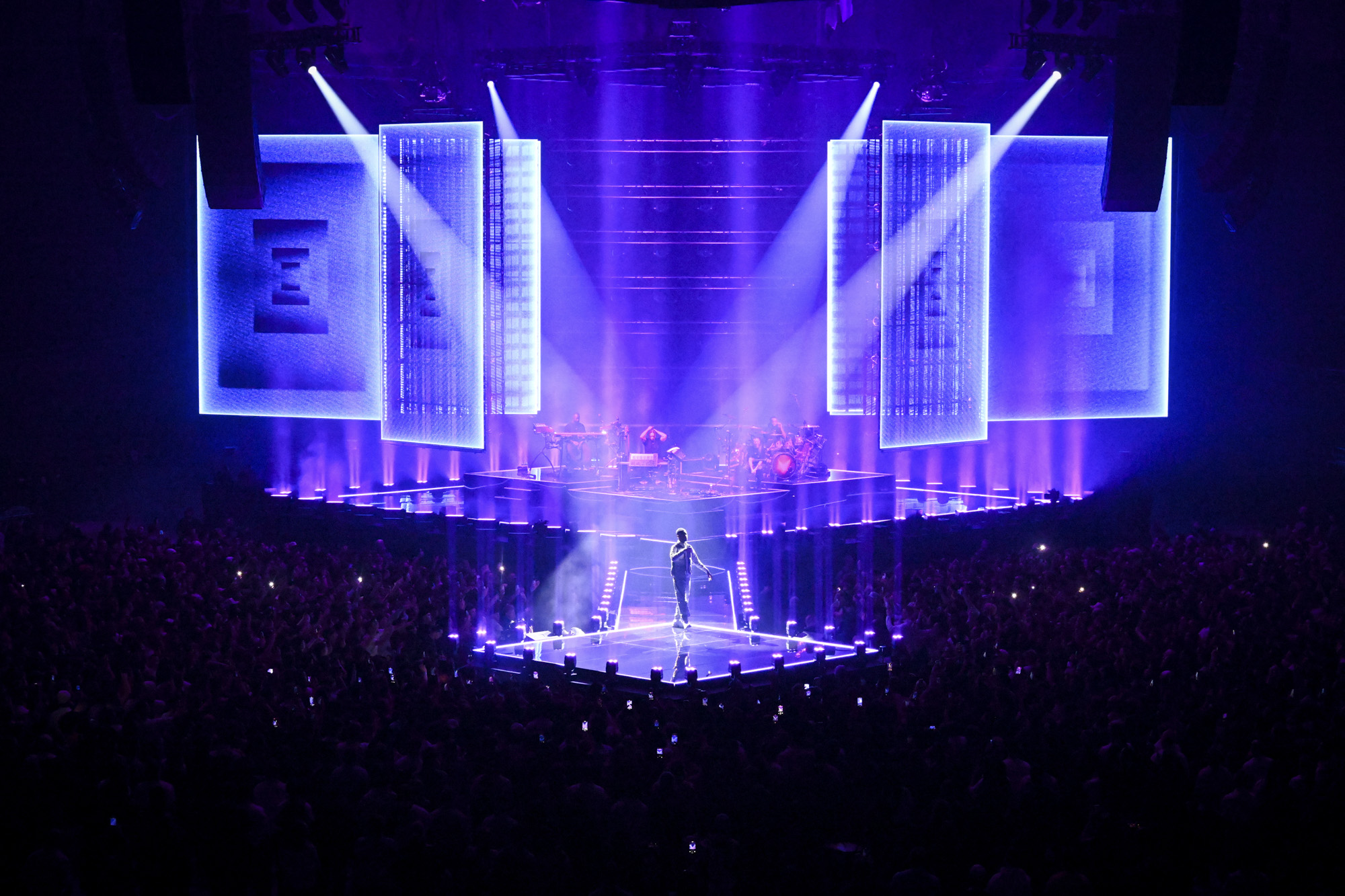
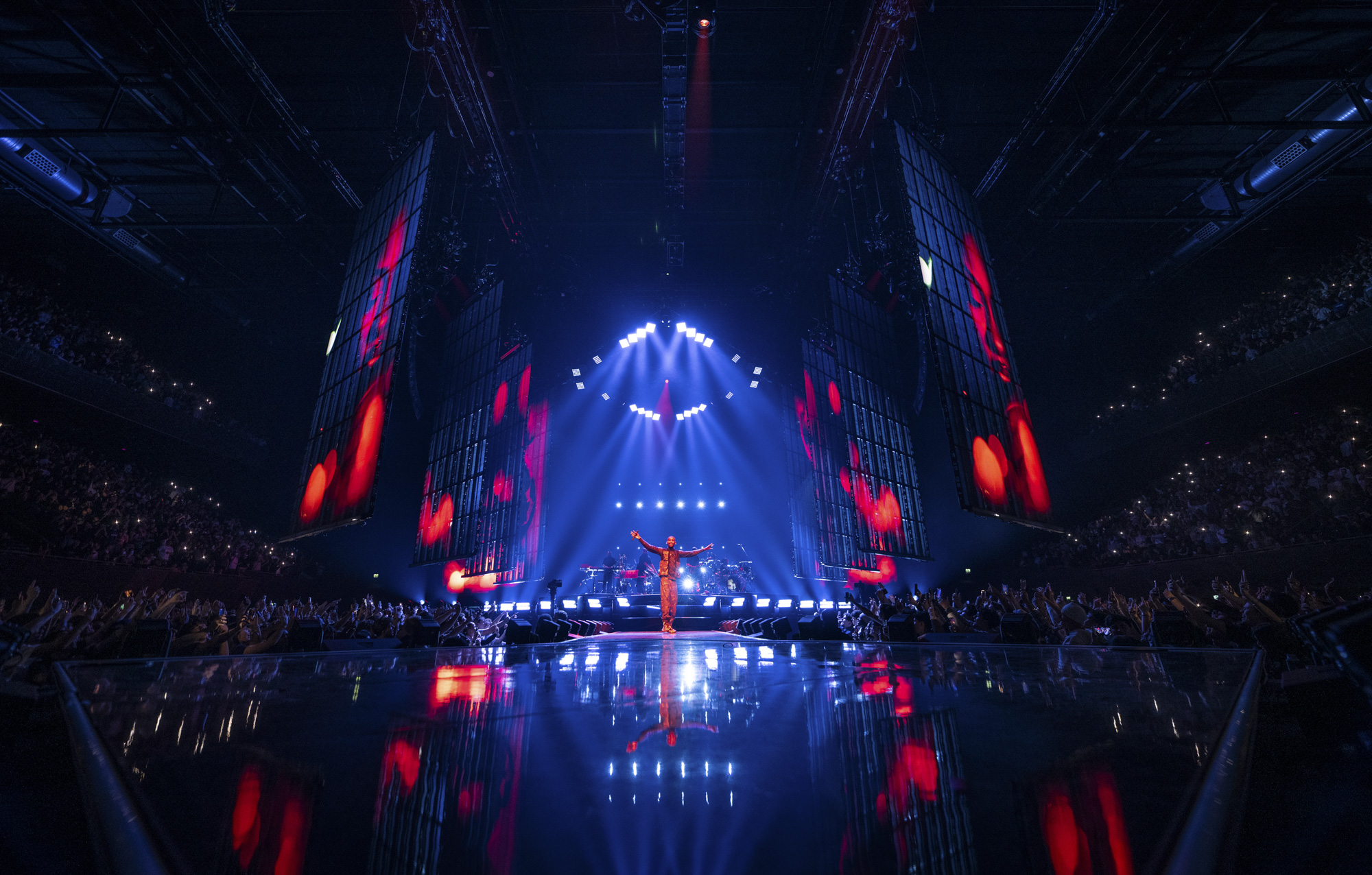
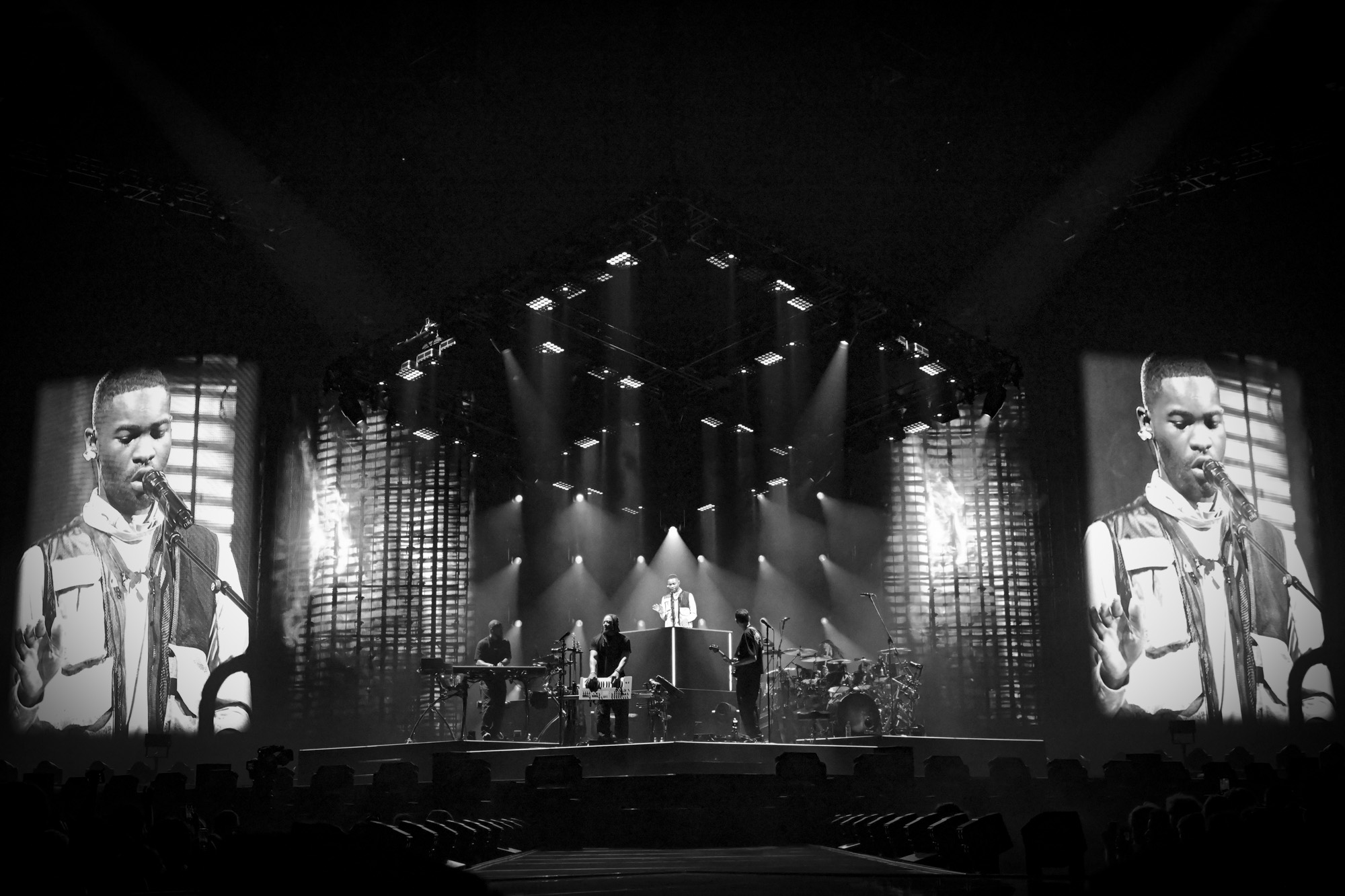
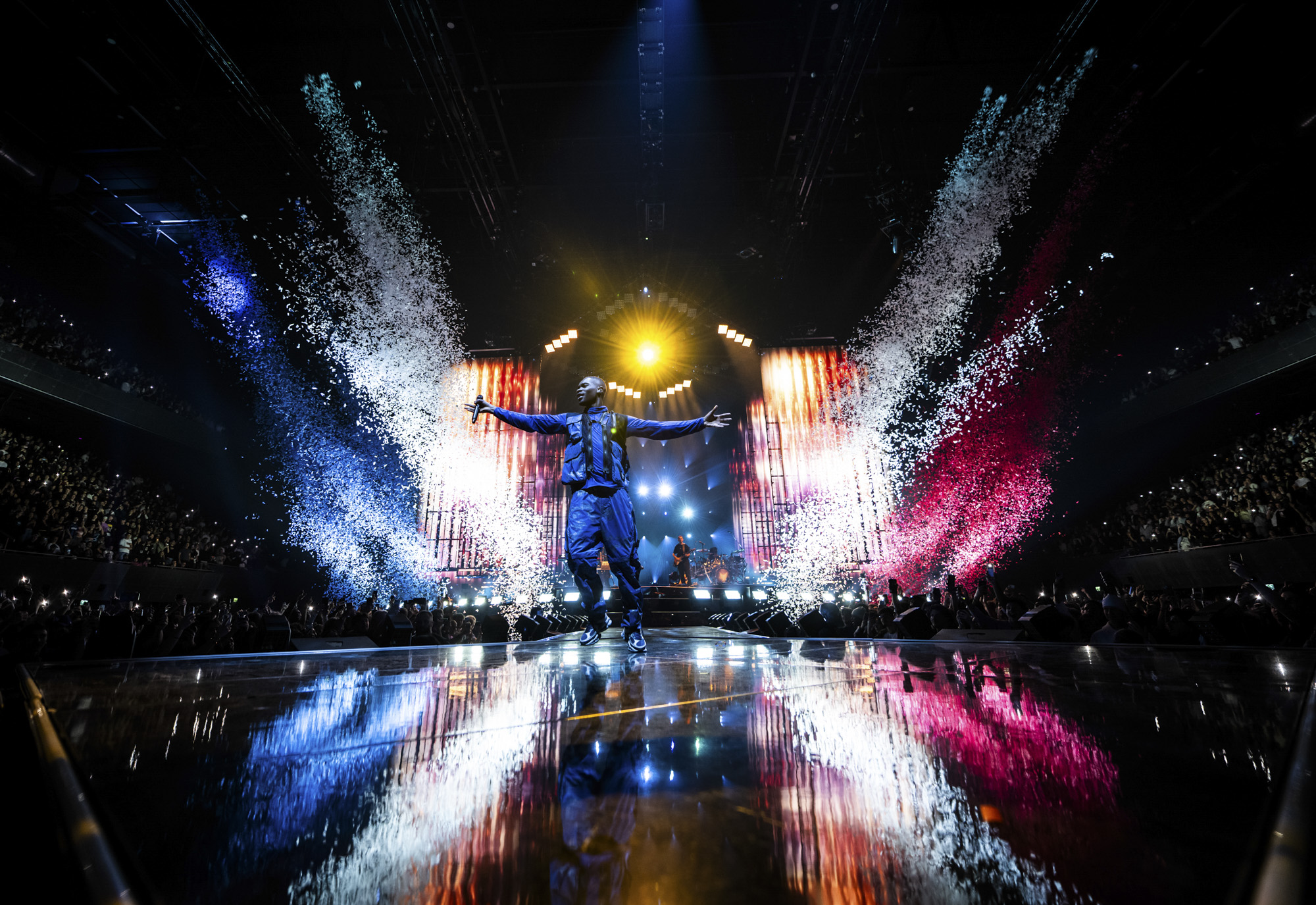
At the heart of the show is a striking diamond-shaped main stage, built to feel both expansive and intimate. Within this geometry sit the band “islands” at the centre, individual platforms that keep the musicians visually unified while allowing space and dimension around them. A catwalk connects the main diamond to a smaller B stage, bringing Dave closer and activating the entire arena floor.
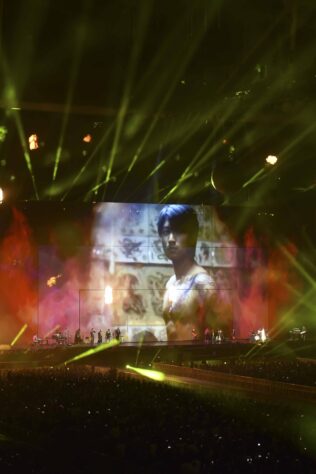
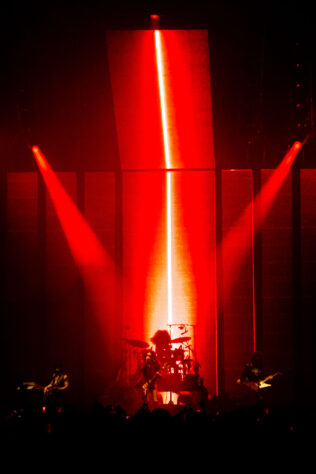
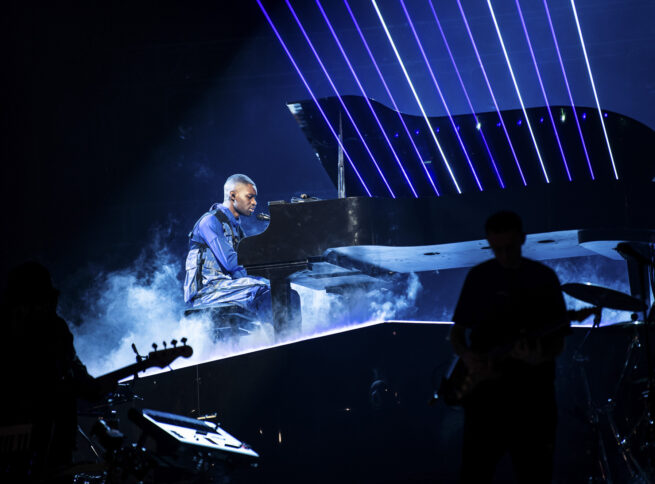
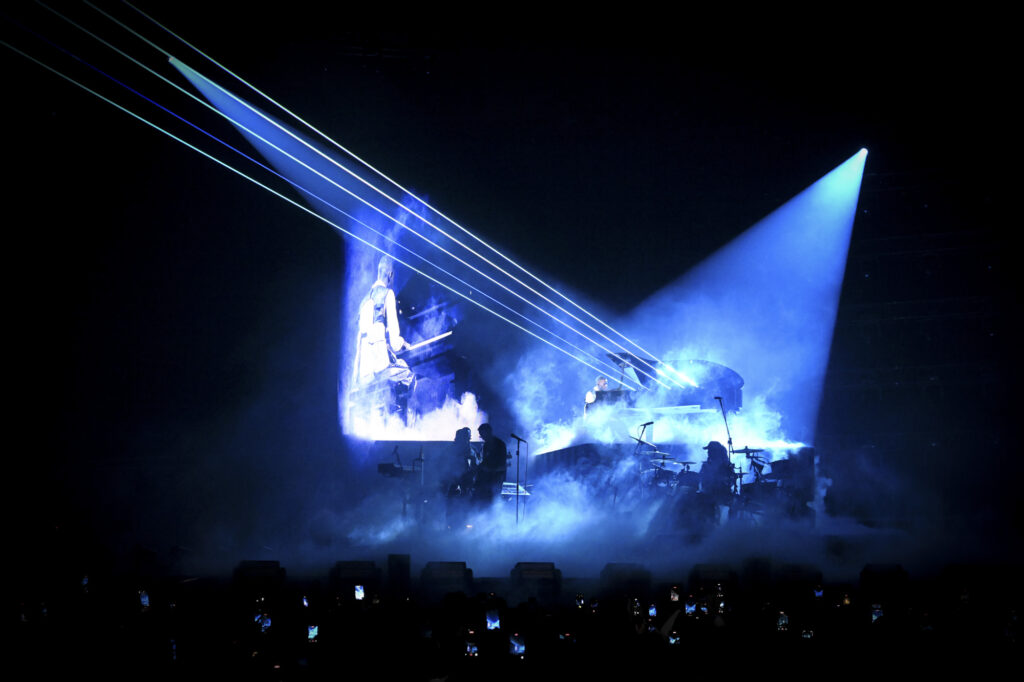
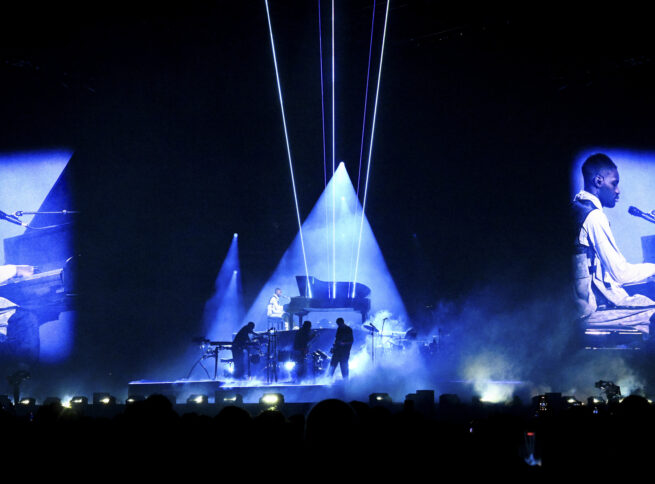
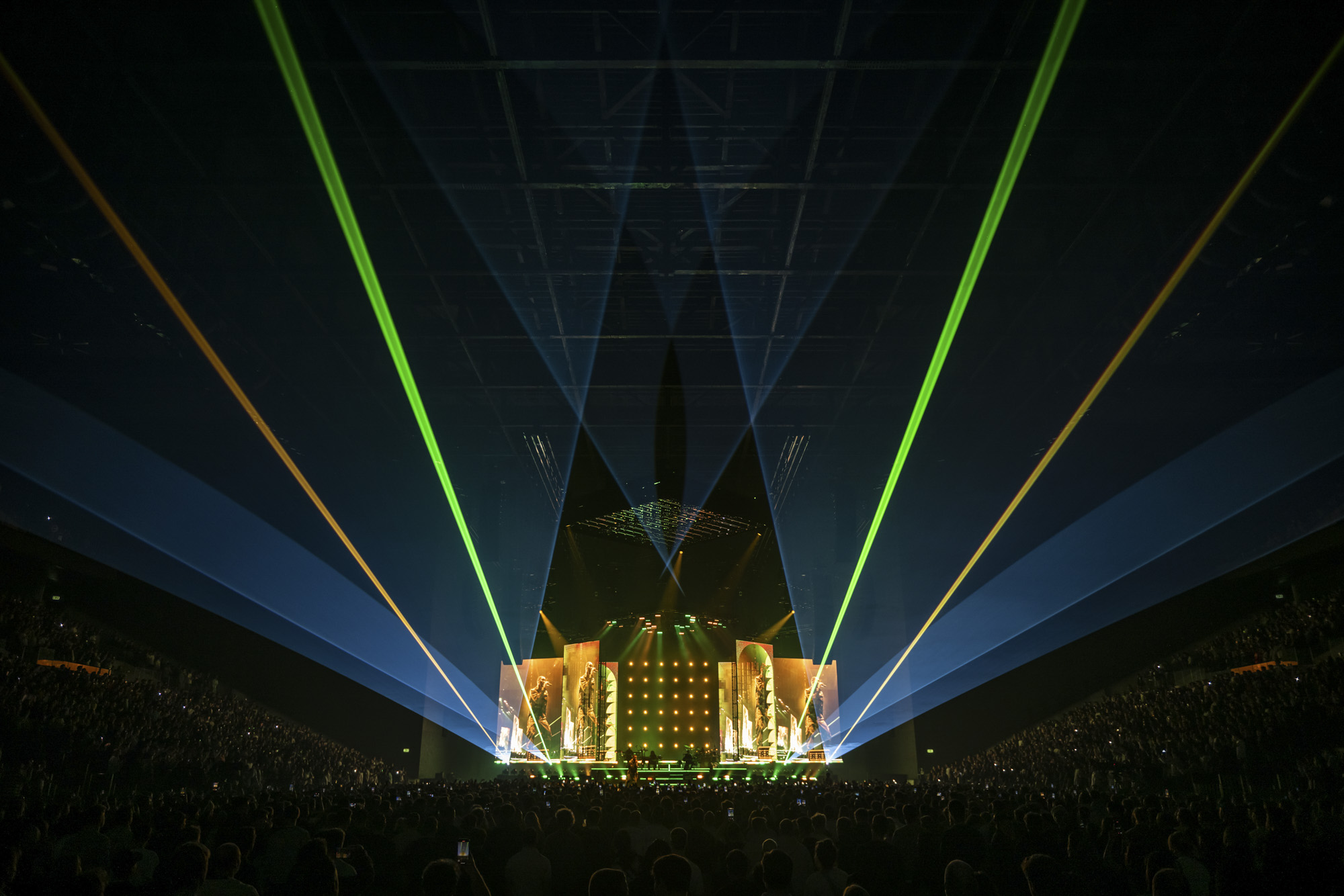
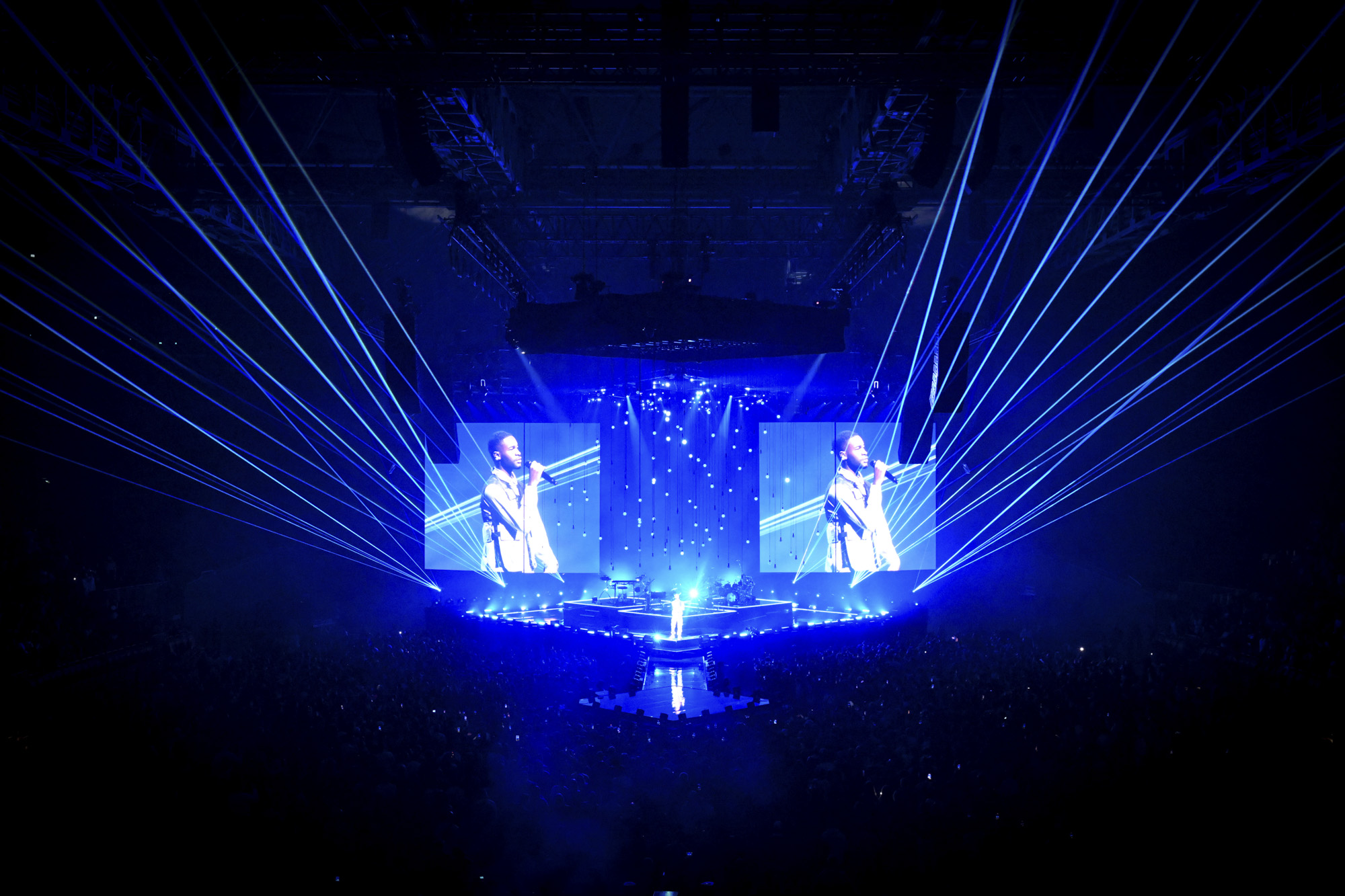
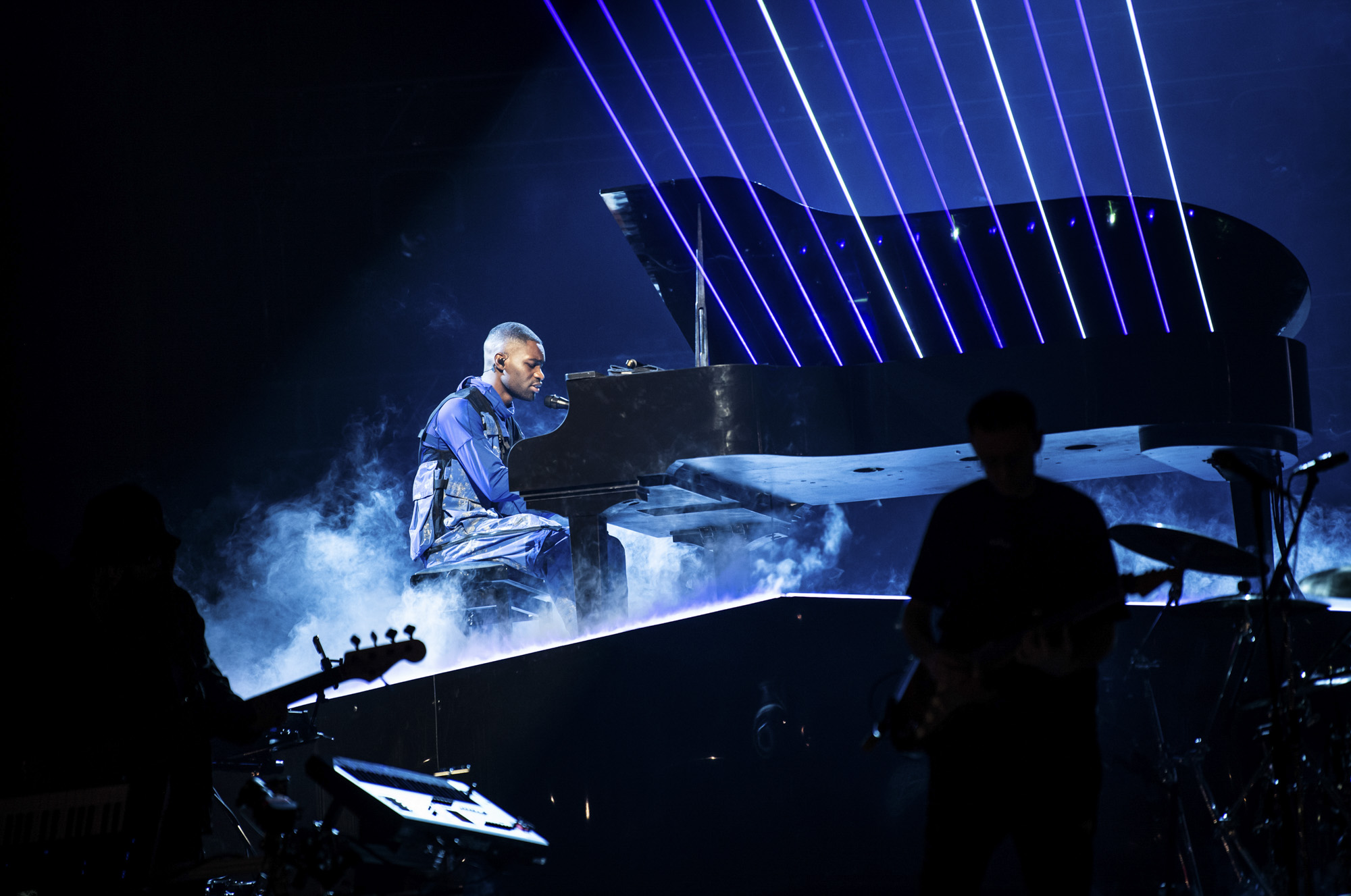
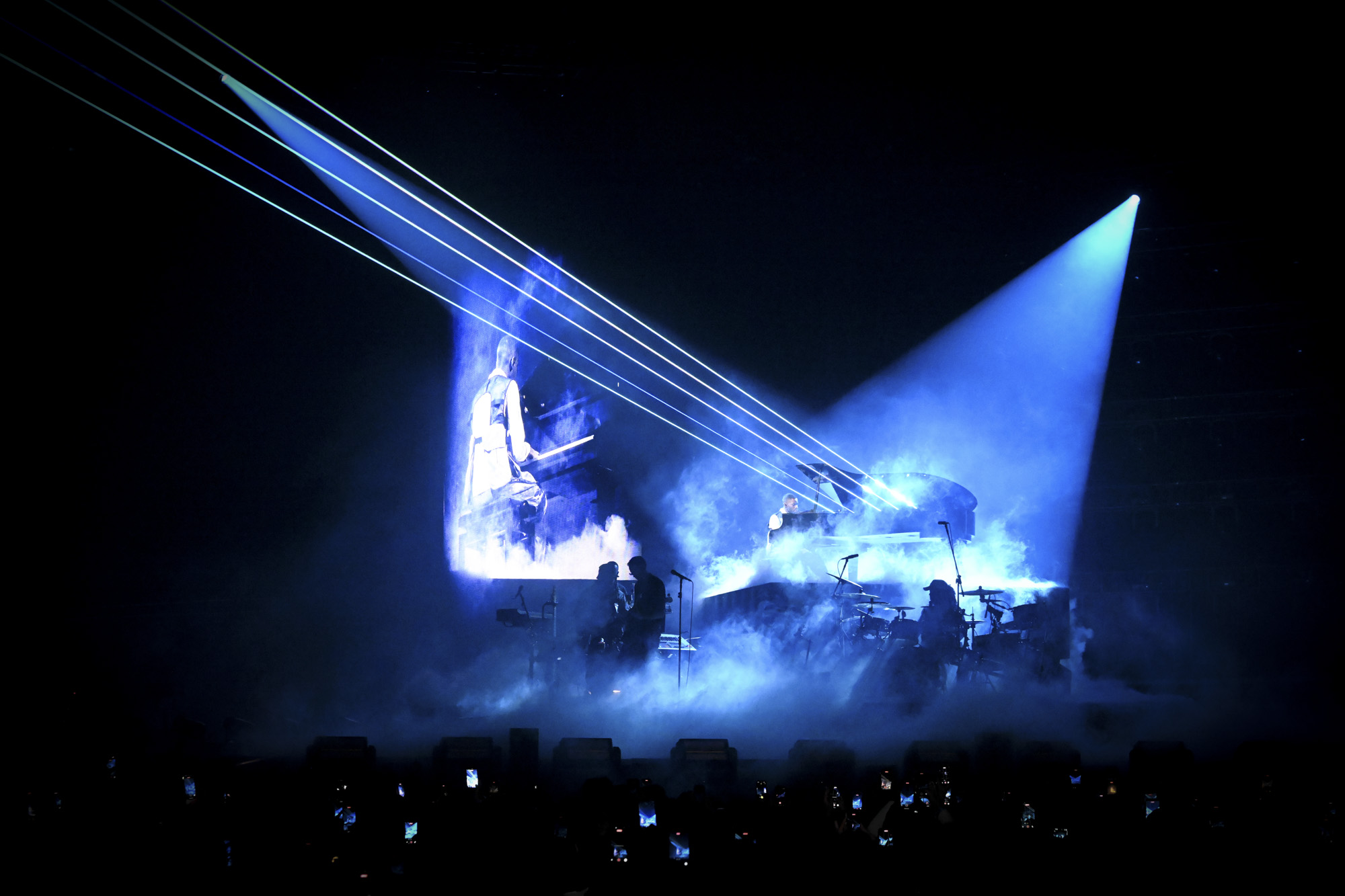
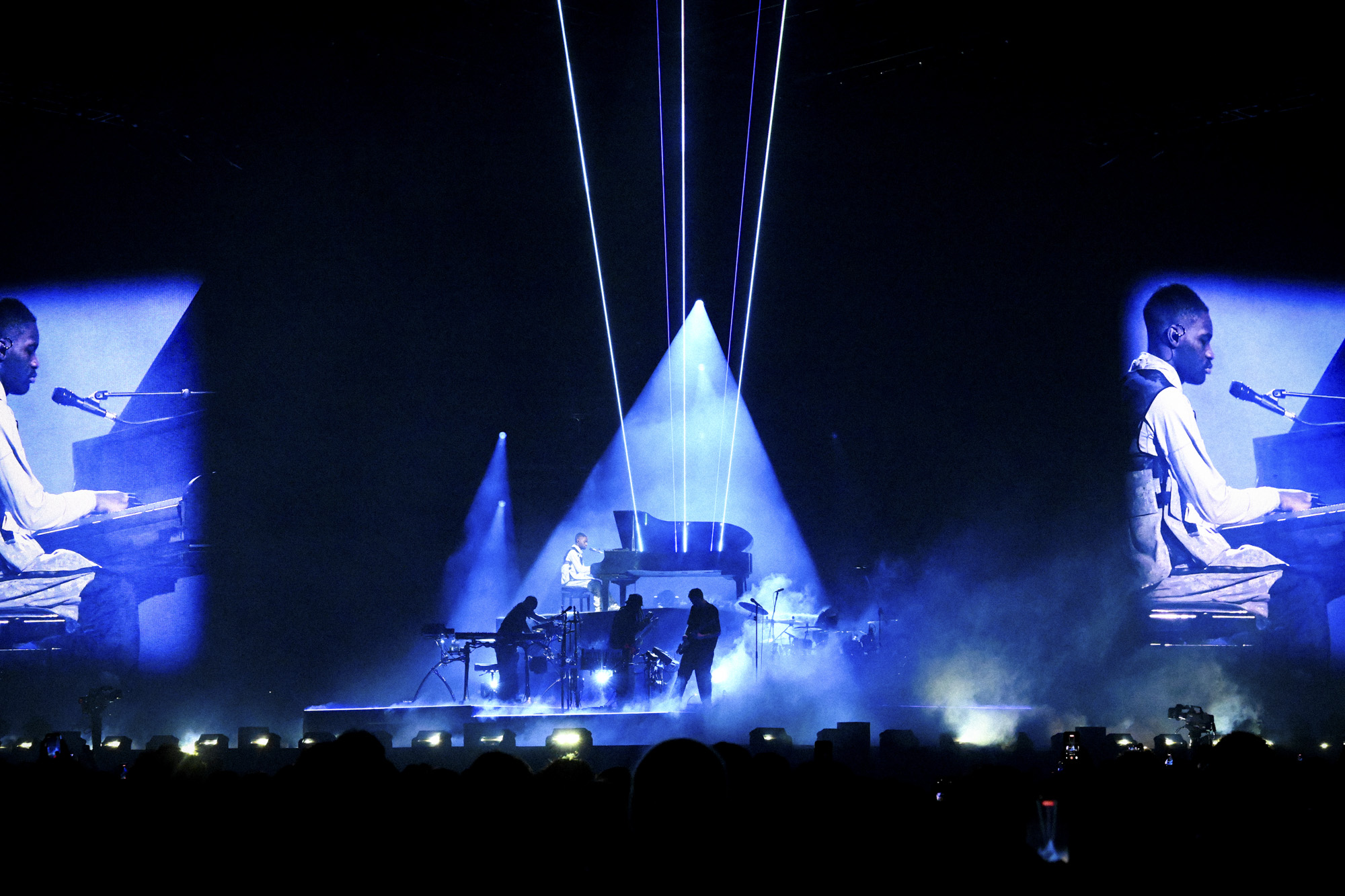
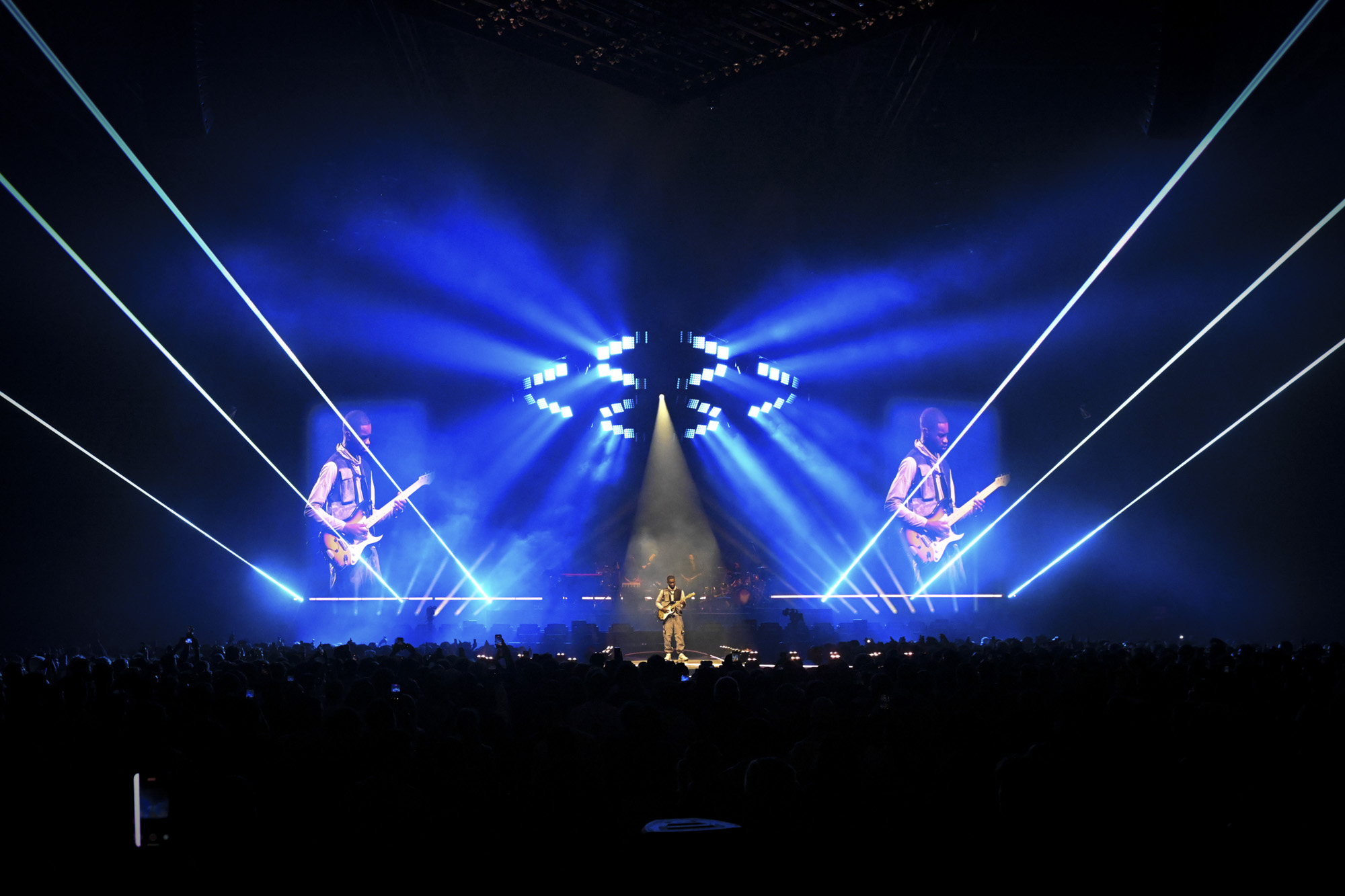
Rather than separating music and visuals, the production fuses them. When Dave sits at the piano and strikes a chord, the instrument responds as if it’s alive. Twelve lasers shoot outward across the arena, each one individually mapped to the specific chord he plays. The audience doesn’t just hear the music, they see it. Notes stretch across the arena in beams of light, turning melodies into architecture. It creates the rare sensation that the arena itself is being played like an instrument, with Dave at the center controlling both sound and environment.
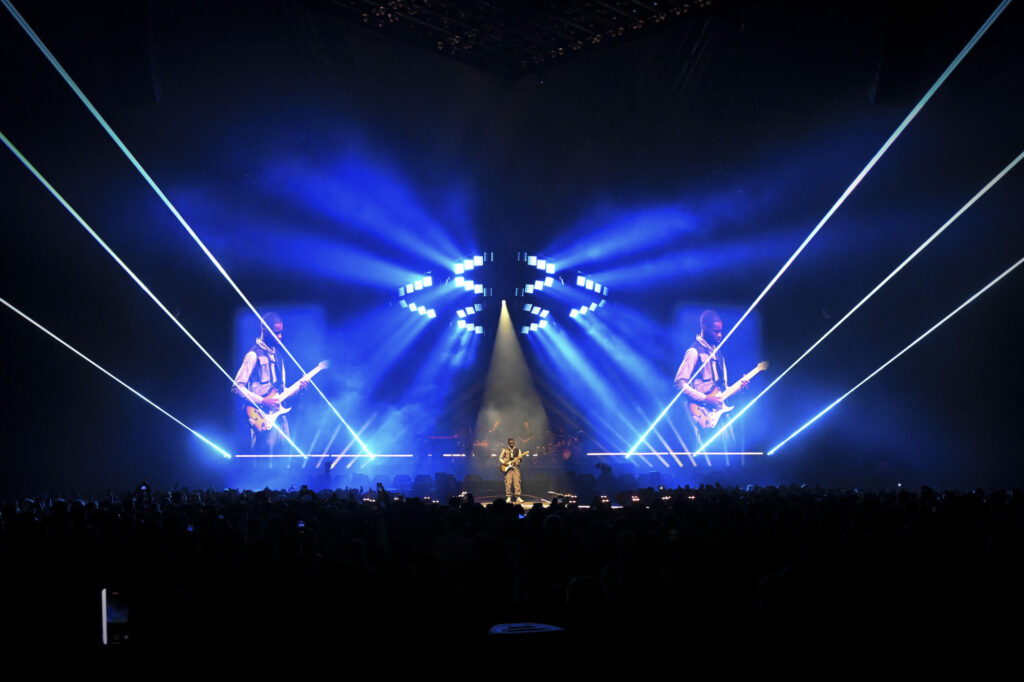
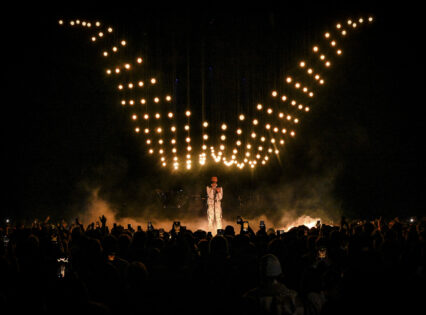
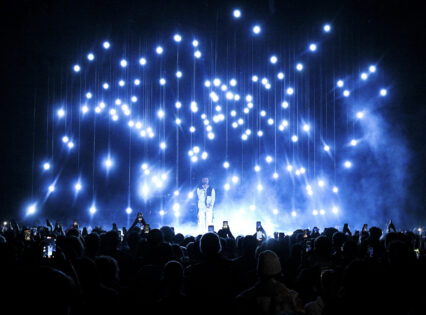
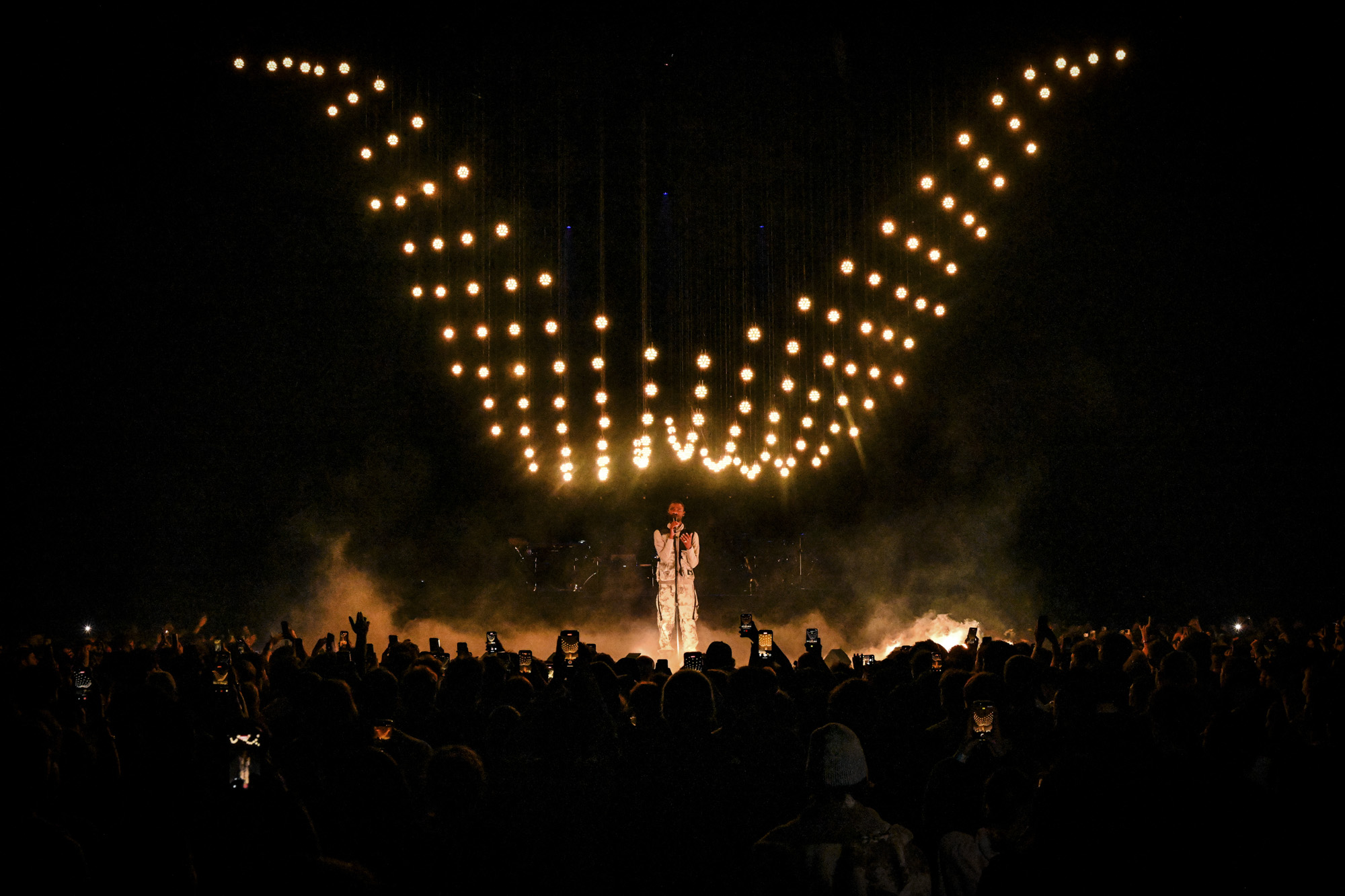
The same principle applies to his guitar. When he plays, the instrument triggers synchronized lighting effects that radiate into the crowd. This consistency reinforces the concept: the music isn’t layered over visuals; it generates them. Every chord becomes an action. Every progression reshapes the room. The result is a performance that feels reactive and alive, blurring the line between musician and visual director.
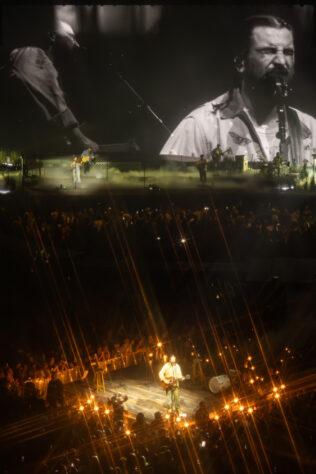
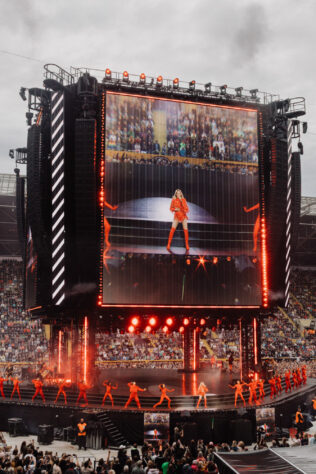
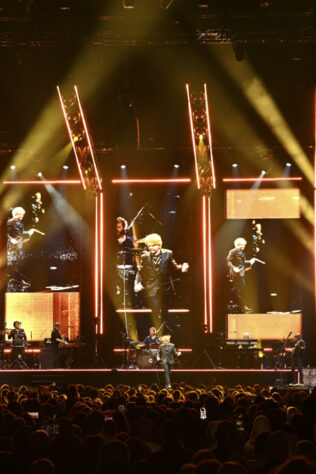
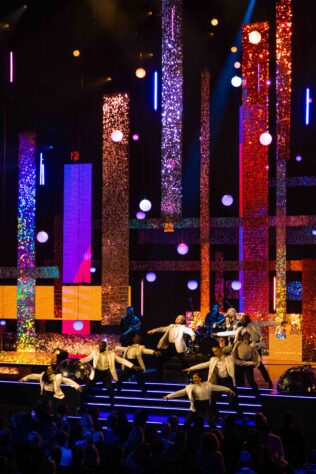
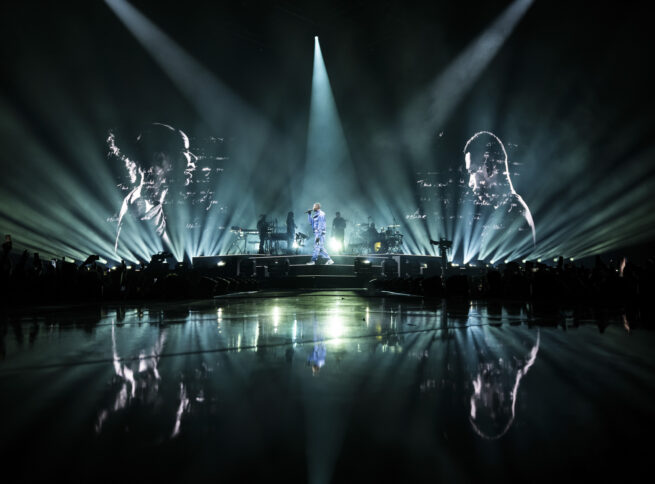
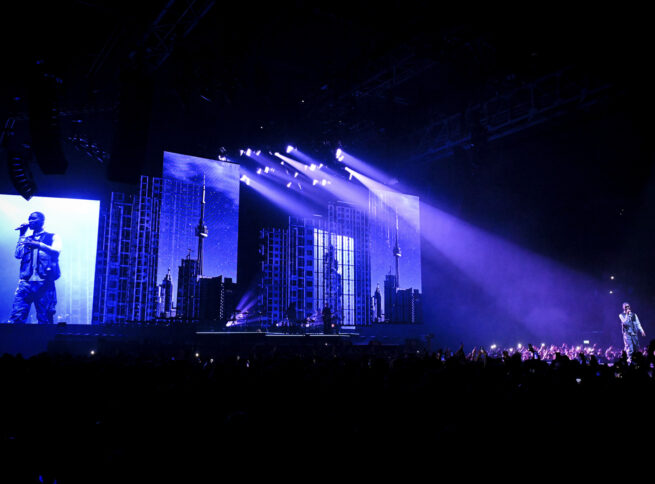
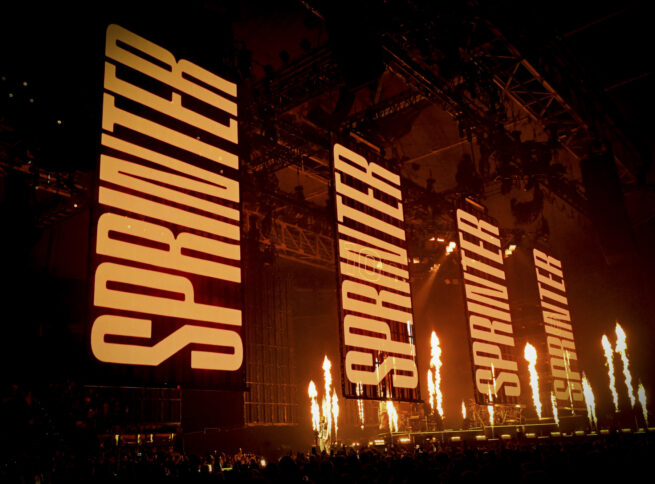
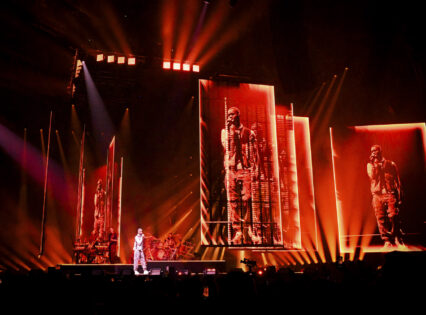
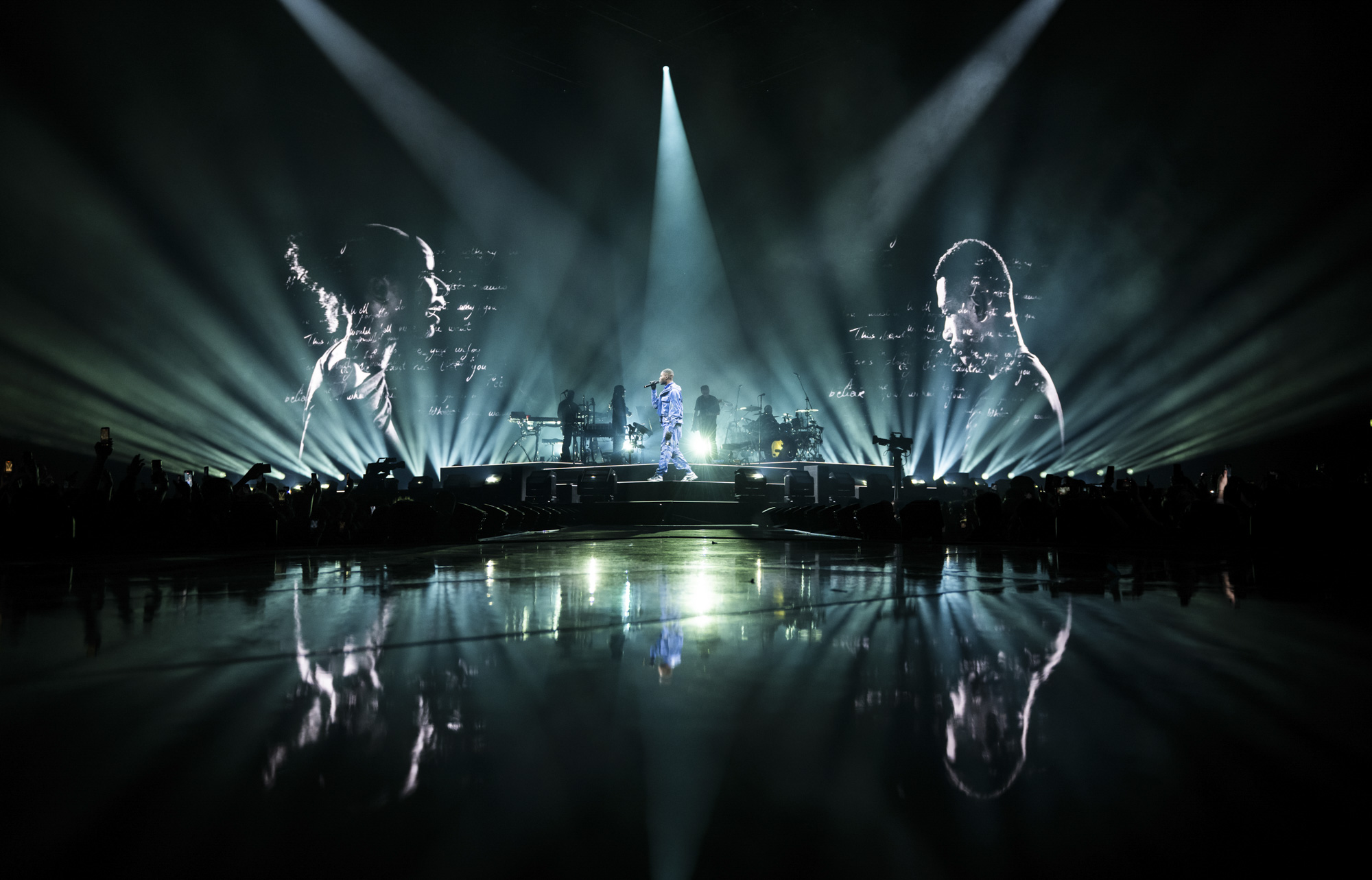
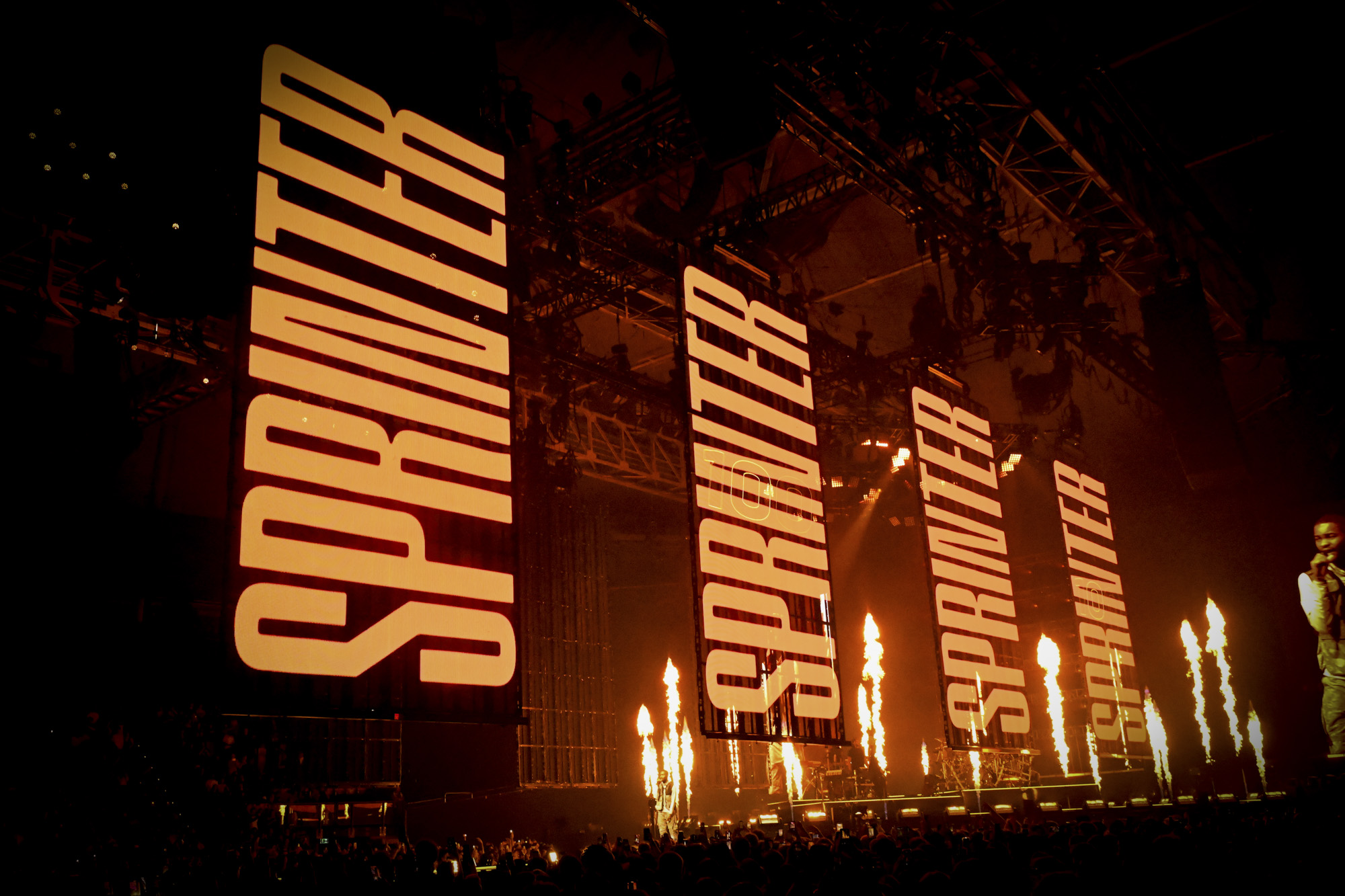
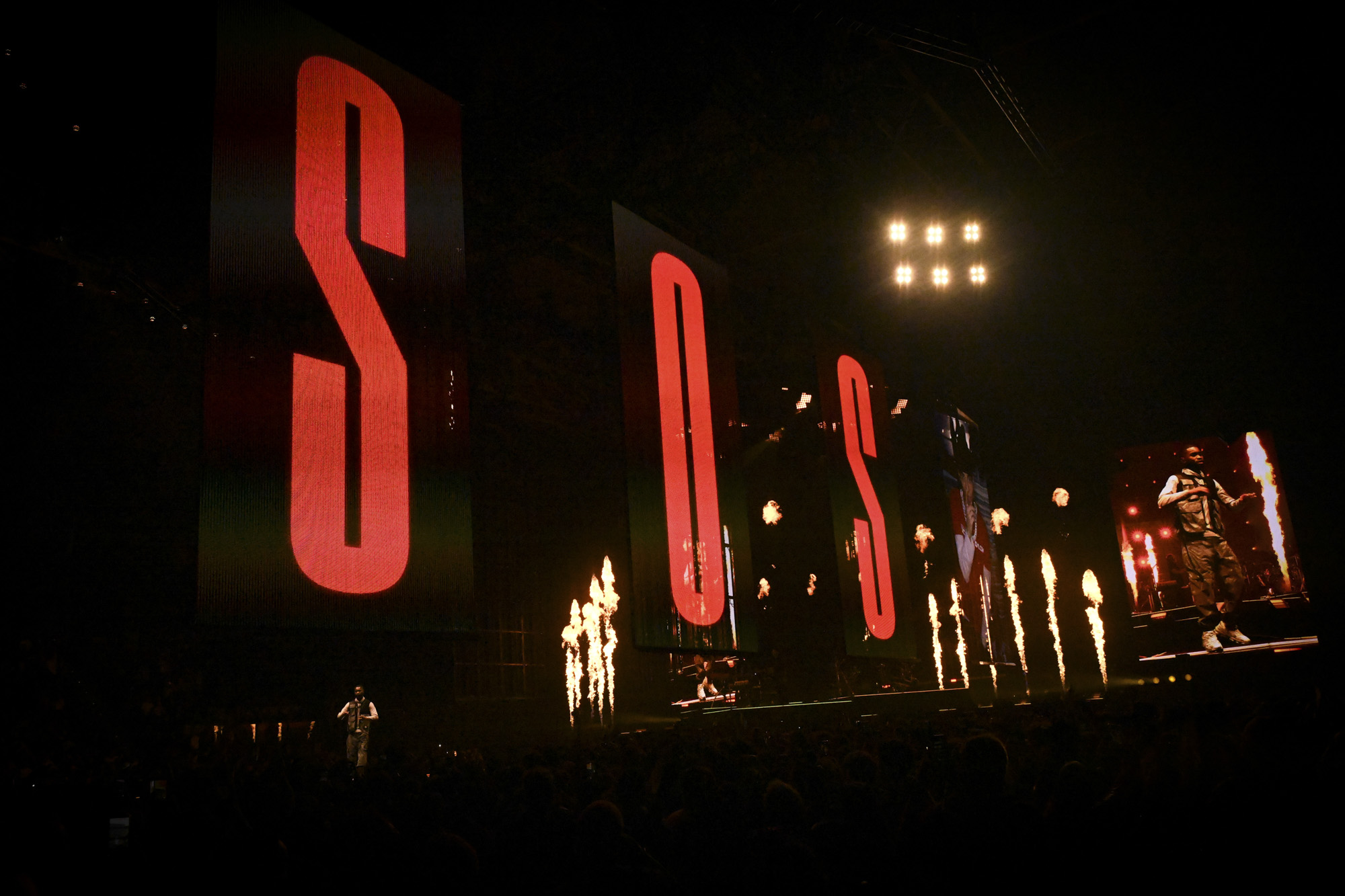
A key element of the stage design is the use of tracking portrait screens hidden in plain sight. These screens extend outward into the arena, reaching all the way to the B stage. They expand and contract depending on the energy and emotion of each song. During intimate moments, the space tightens, drawing the audience inward. In larger, more anthemic sections, the screens push outward, visually stretching the arena and amplifying scale. This constant transformation ensures that the stage never feels static. It evolves with the music, mirroring its rhythm and mood.
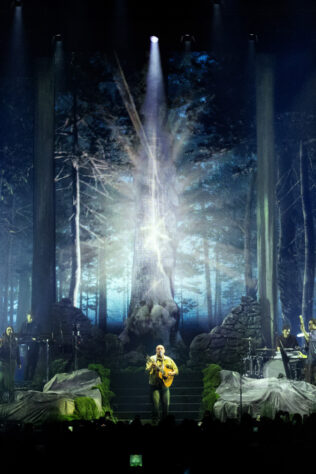
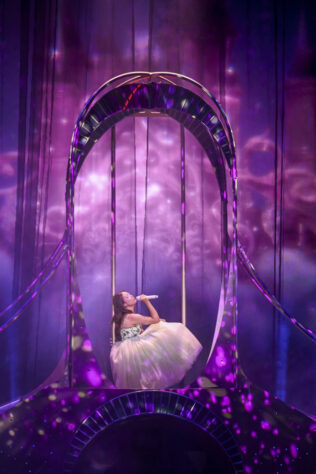
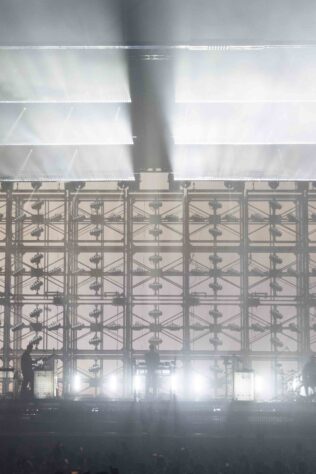
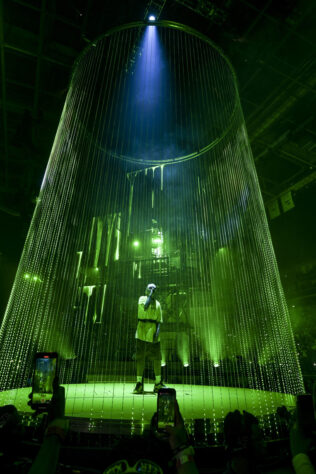
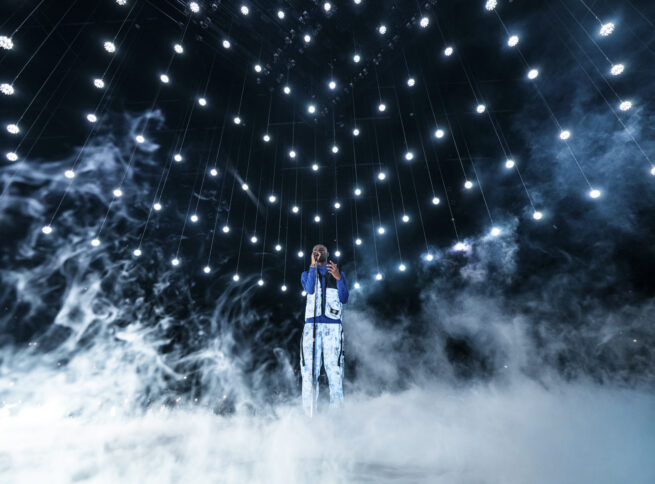
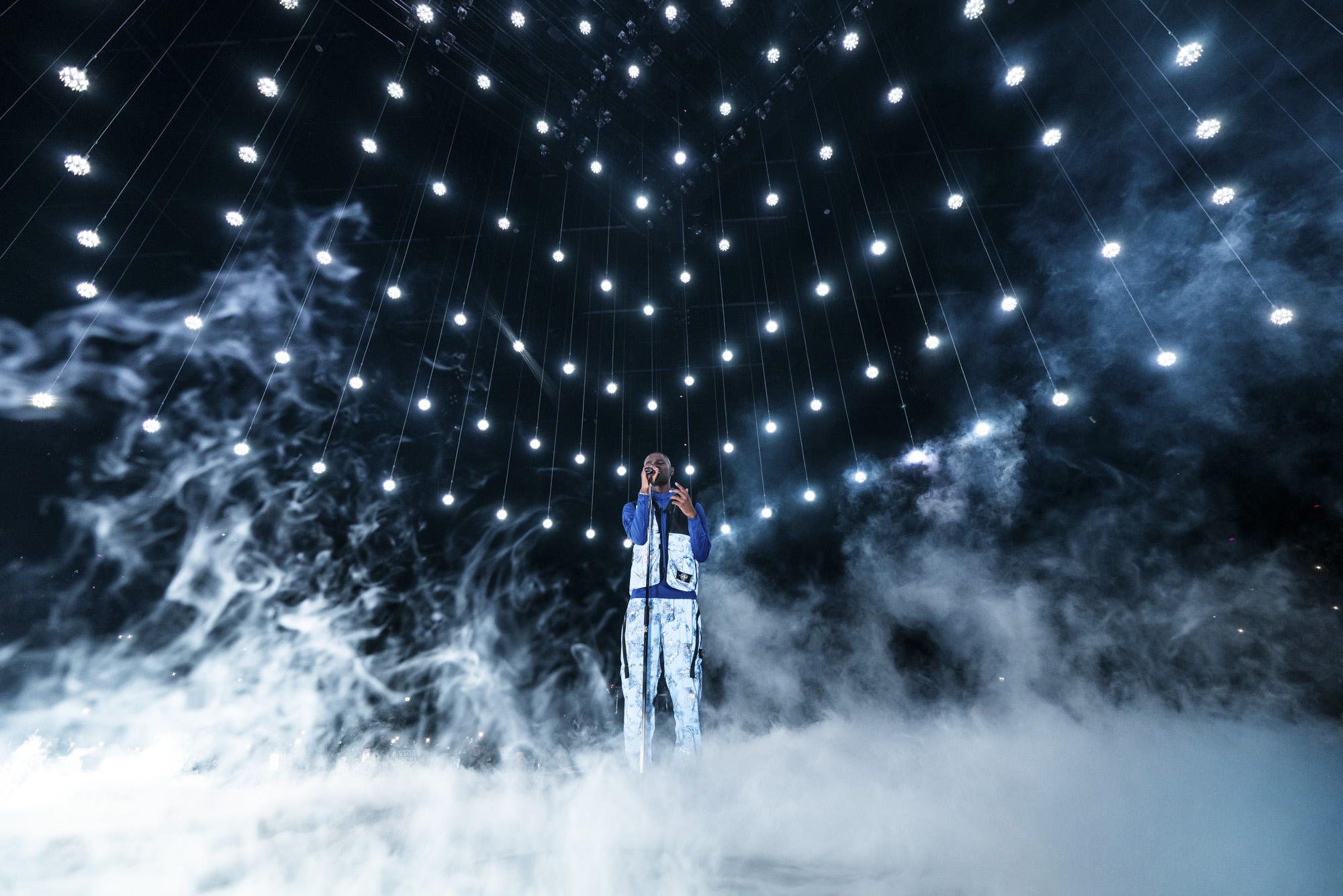
Kinetic lighting plays a major role in shaping emotional tone. Controlled directly by the music, the lights move in fluid patterns that respond to tempo and intensity. At times, they isolate Dave in a cocoon of light, creating deeply personal moments where he appears fully immersed in the song. These quieter sections contrast beautifully with the high-energy sequences, giving the show dynamic range and emotional texture.
Despite its technological sophistication, the overall aesthetic remains clean and geometric. The stage design is sleek and intentional, avoiding unnecessary clutter. This simplicity is strategic, it ensures that Dave, his band, and the music remain the focal point. The technology enhances rather than distracts. Ultimately, “The Boy Who Played the Harp” tour design turns the music into something visible and tangible.
Credits
Performed by Dave
Creative Director / Video Director Matt Askem Stage Design Stufish Entertainment Architects / TRLD Lighting Design TRLD Lighting Programmer Morgan Evans Video Content Luke Halls Studio Production Manager Paddy Hocken Production Stage Manager Phil “Tico” Ryder Show Stage Manager Jason Slaney-Welch Head Rigger Steve Walsh Disguise Programmer Richard Turner Tour Manager Justine Ellis Management Neighbourhood Promoter Live Nation Lighting NegEarth Lasers ER Productions Screens Universal Pixels Sound SkanPA Set Fabrication TAIT Costume Stone Island Music Director WFB