



















Filter Projects:
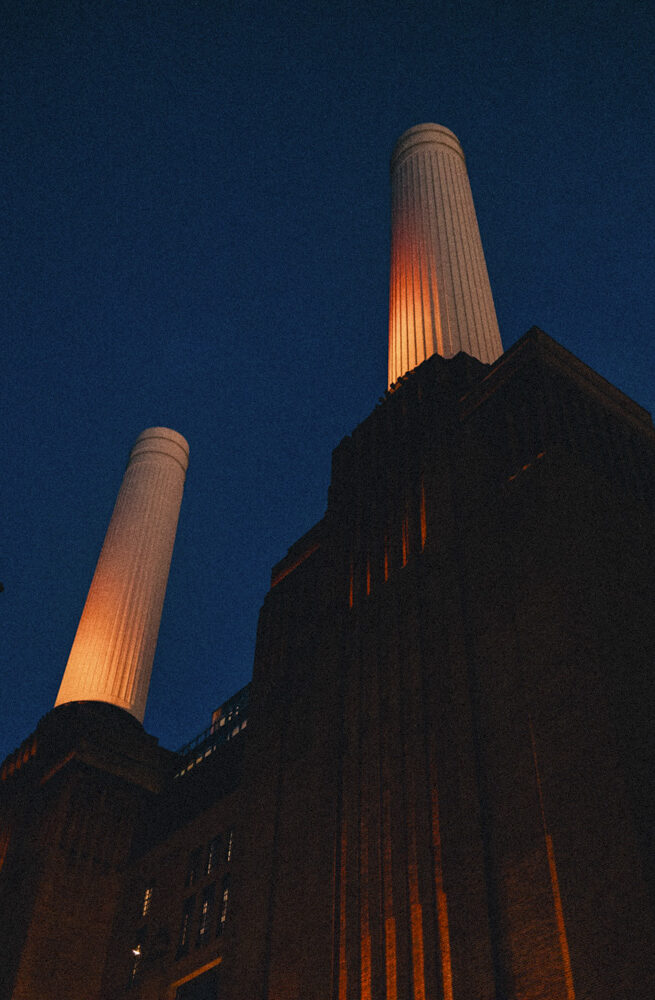
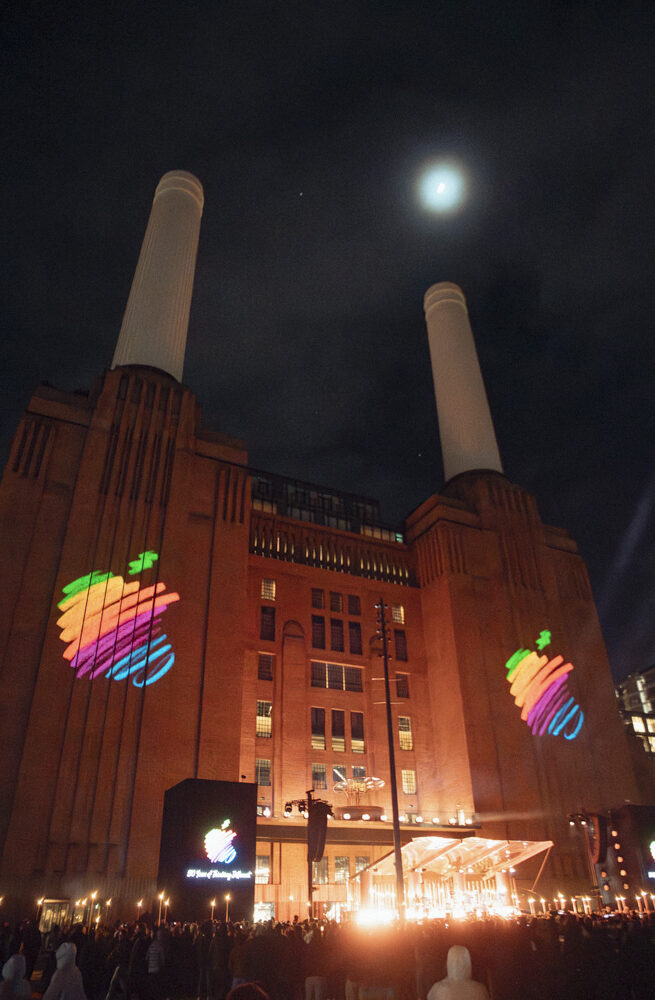
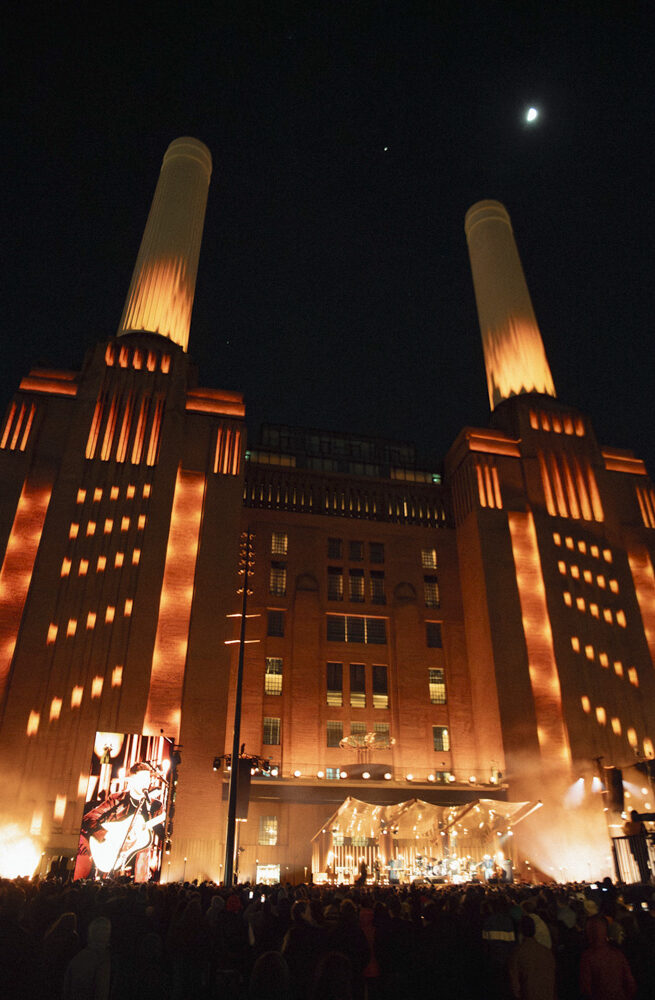
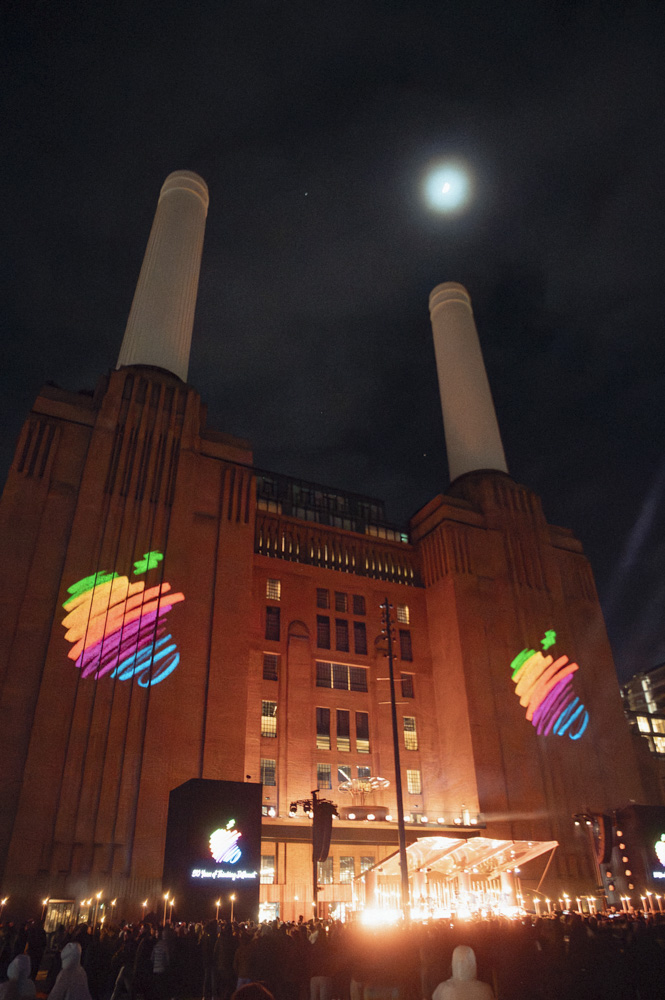
Blending the historic legacy of Battersea Power Station with its modern vibrancy, the celebration ignites a dynamic fusion of music, light, and energy to mark Apple’s 50th anniversary.
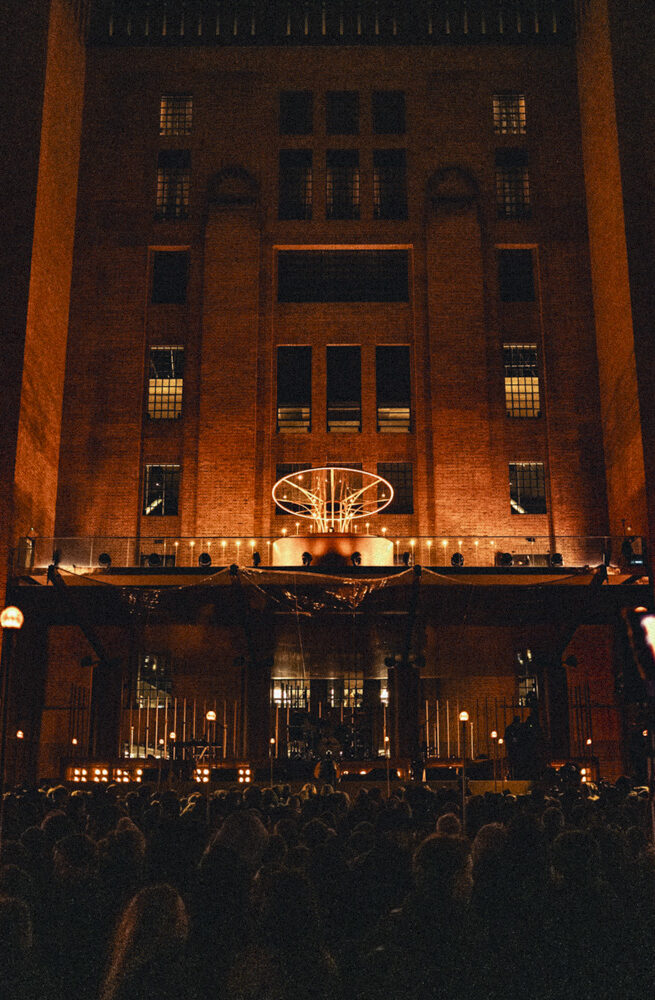
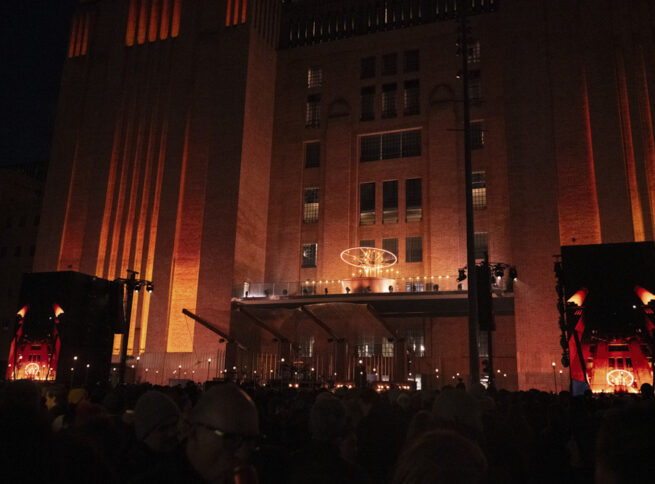
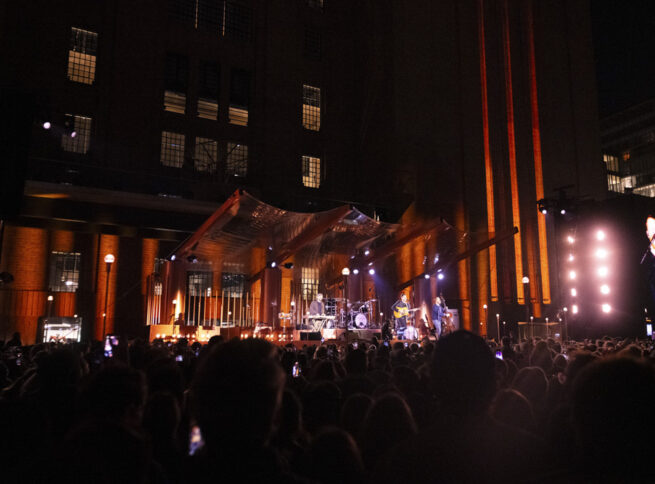
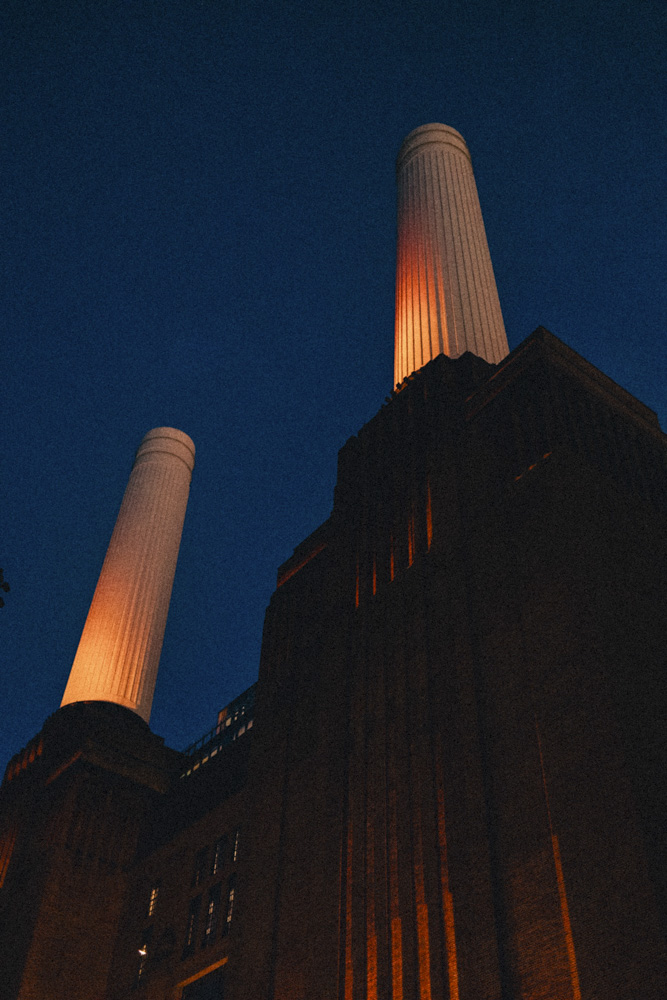
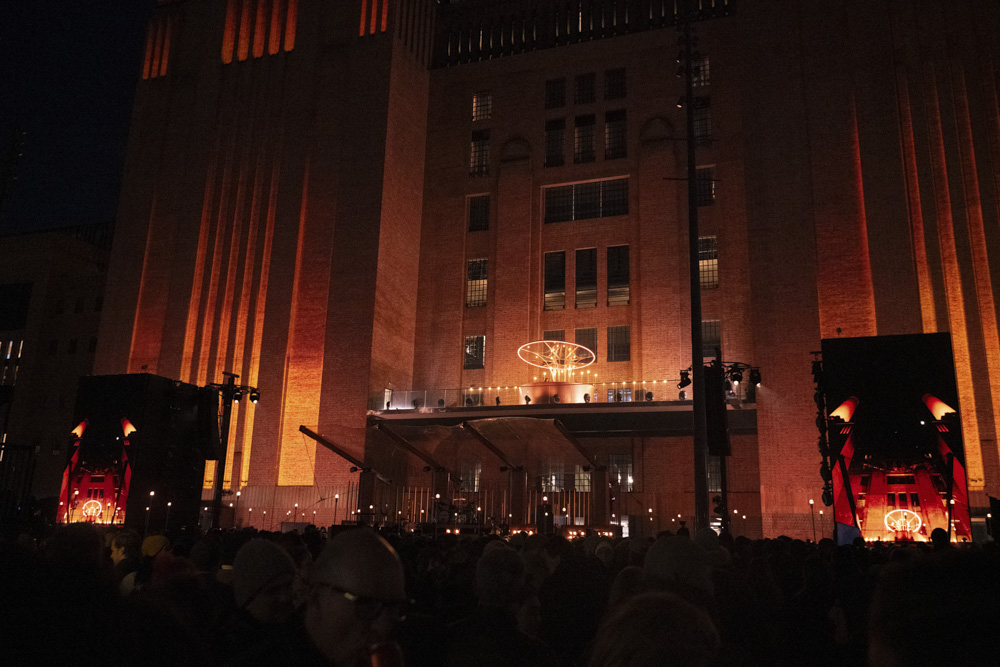
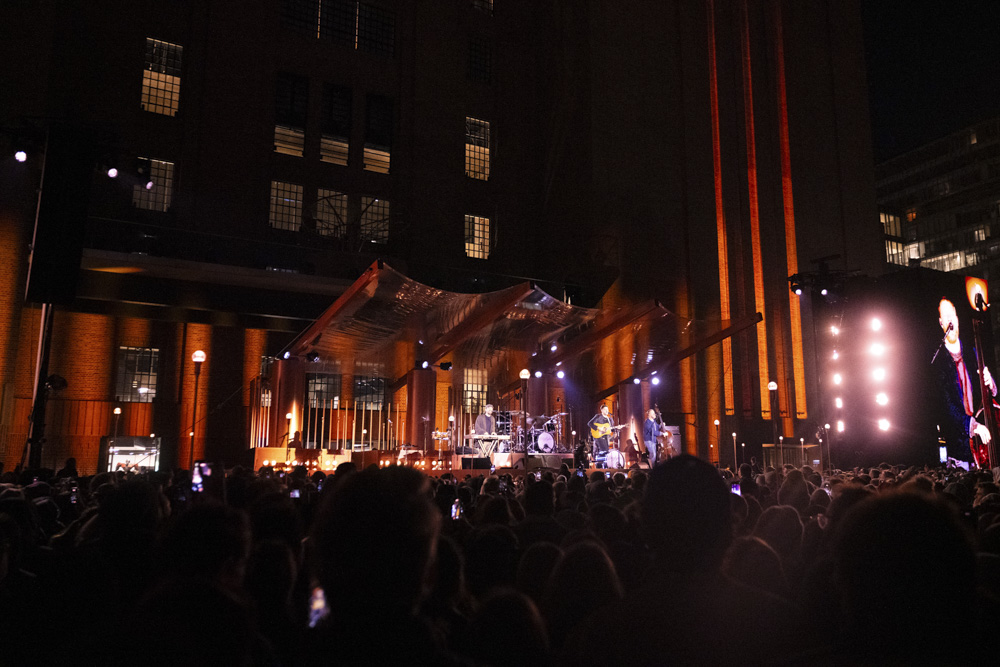
Set against one of London’s most recognisable industrial landmarks, the project reimagined the site as a contemporary performance space, drawing directly on its legacy as a former generator of electricity. Battersea Power Station once powered large parts of the city, transmitting energy across the grid to homes, transport systems, and landmarks. This history underpinned the design, shaping both its visual language and the audience experience. What was once a site of mechanical production was reinterpreted as a source of cultural and emotional energy.
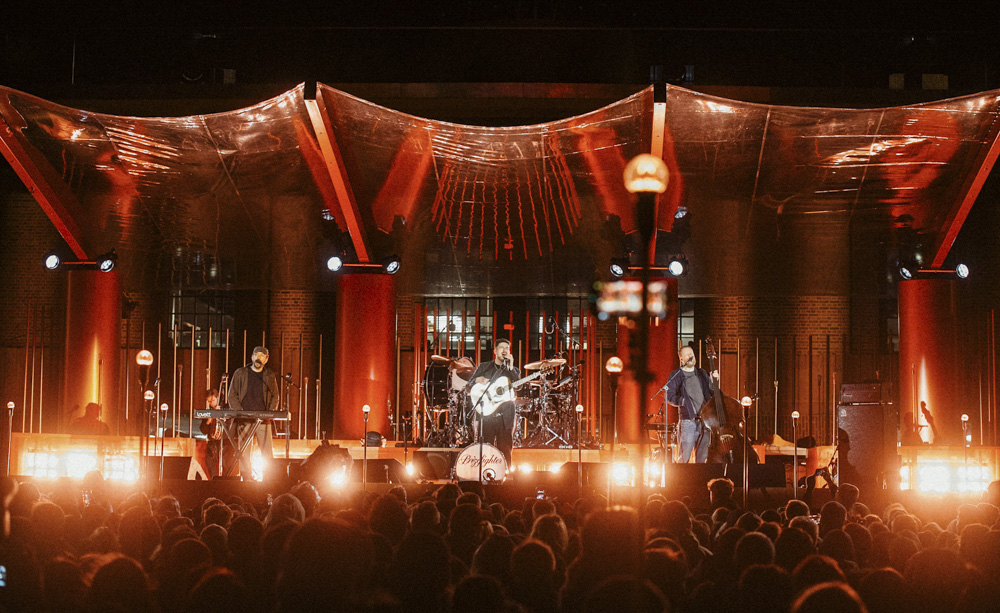
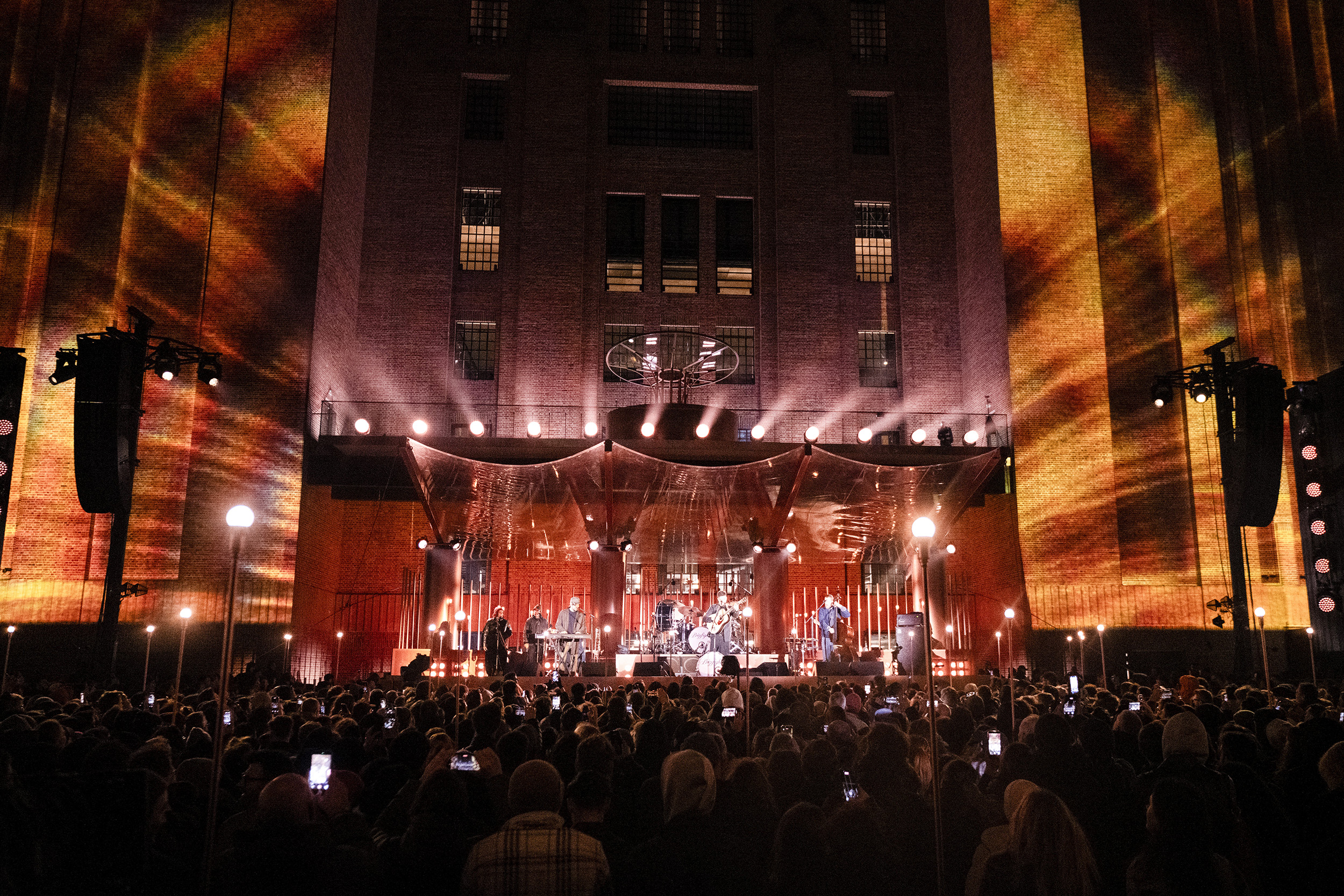
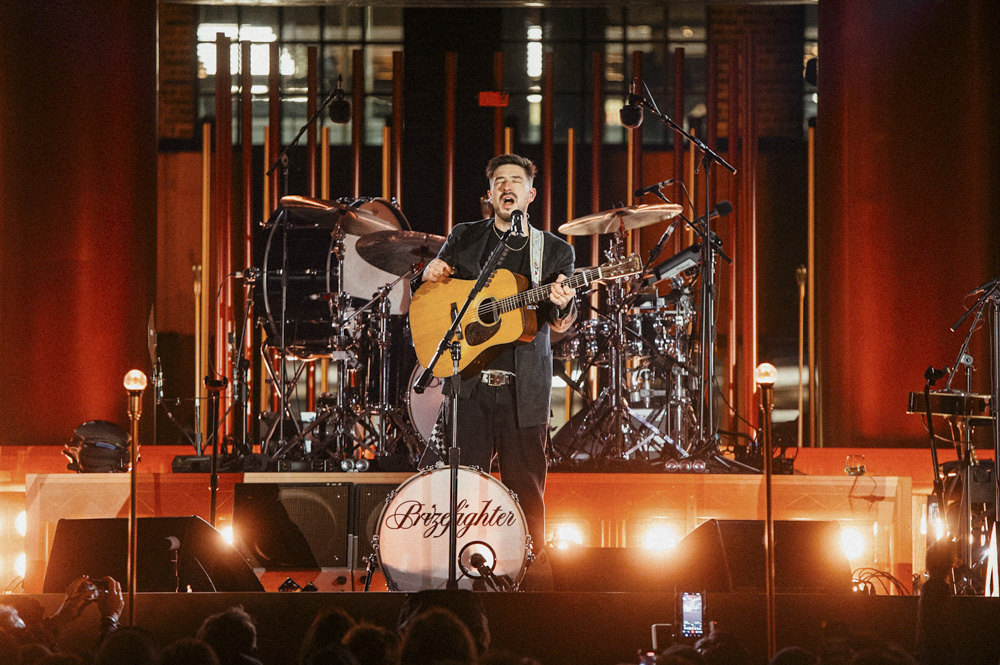
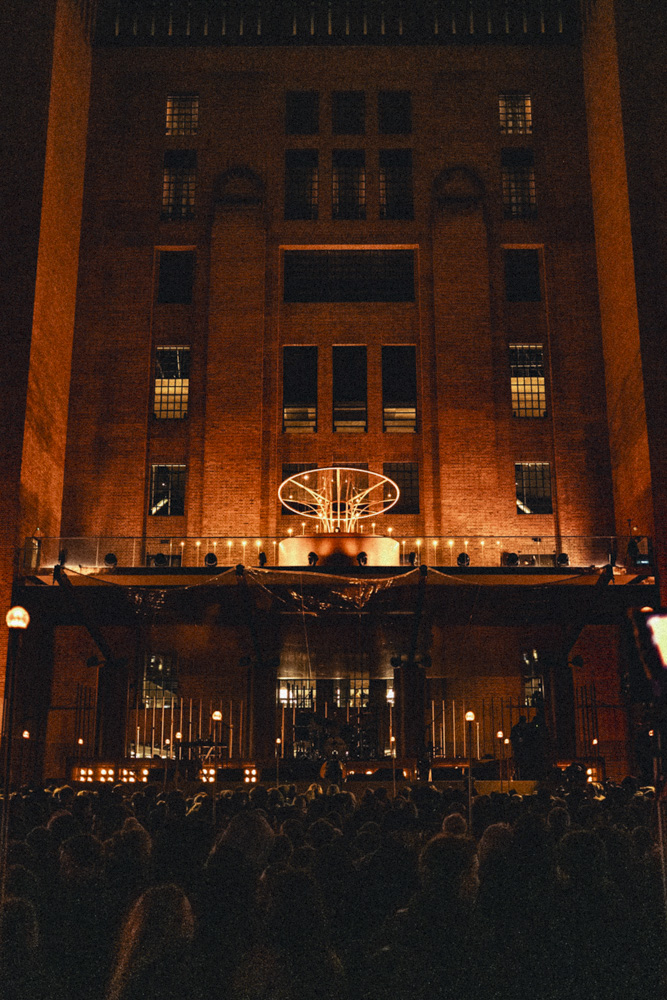
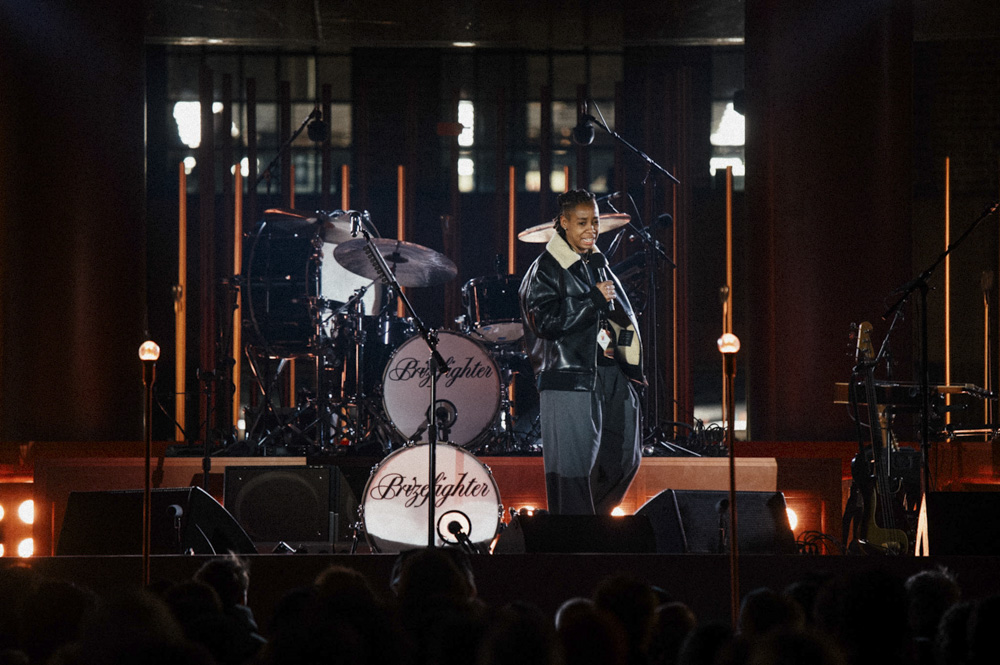
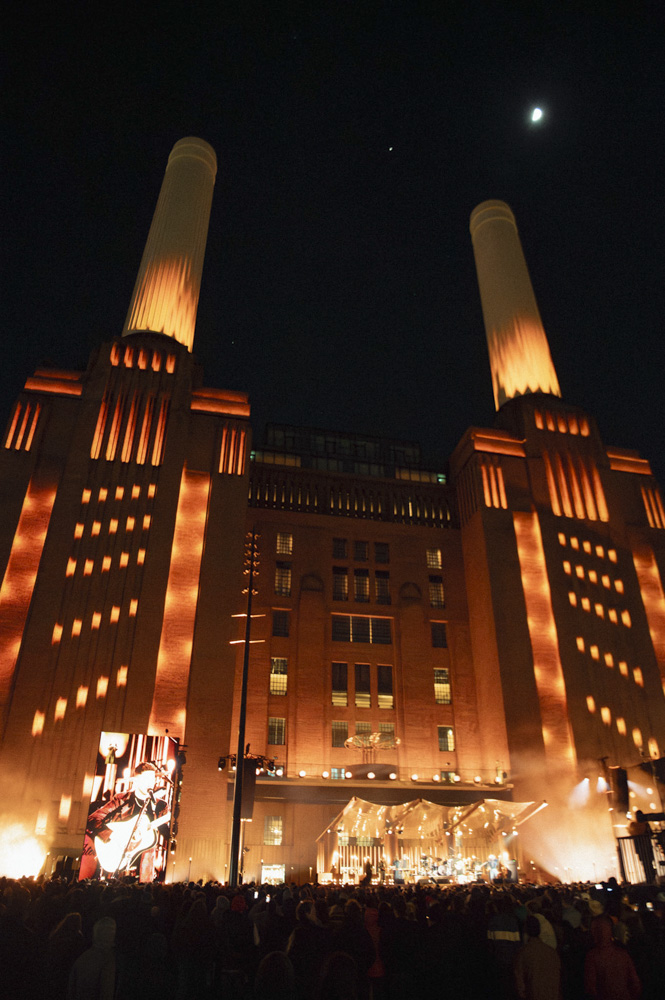
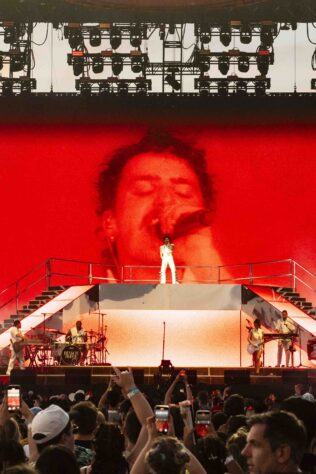
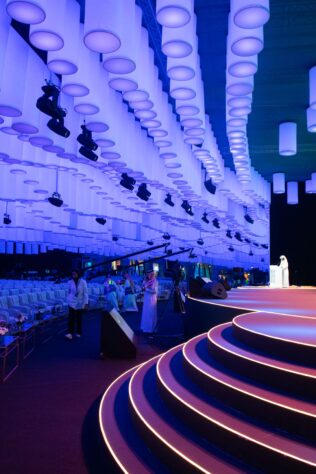
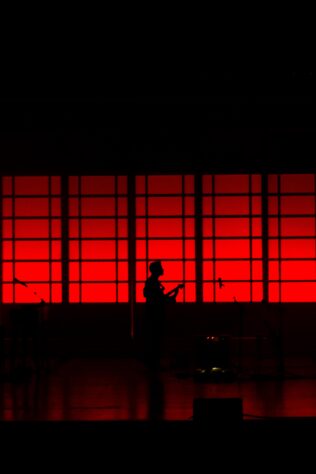
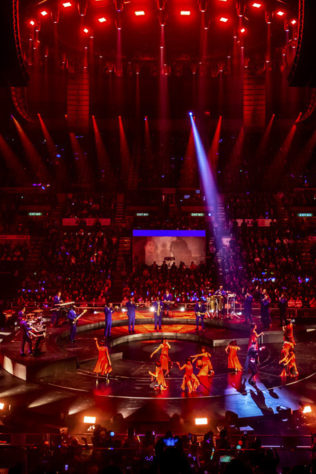
At the heart of the installation stood a circular stage finished in copper and terracotta. These materials reflected the tones and textures of the existing architecture, allowing the structure to sit naturally within its surroundings. The circular form reinforced ideas of continuity, flow, and distribution, echoing the way electricity once radiated outward into the wider city.
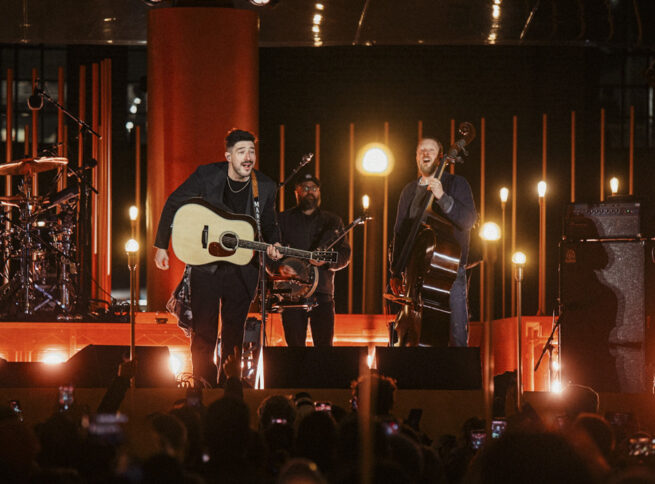
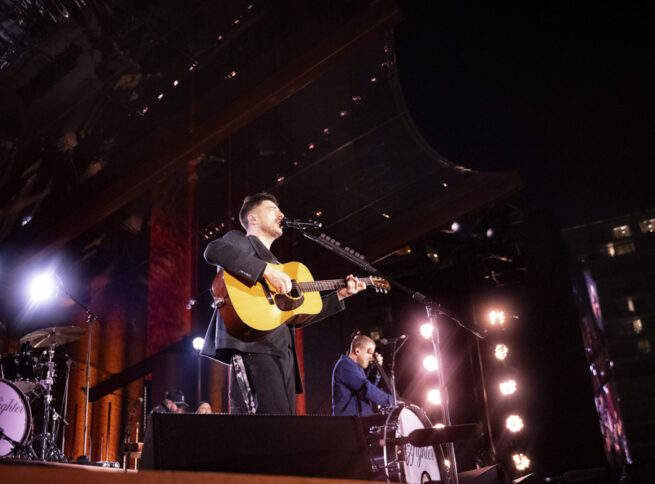
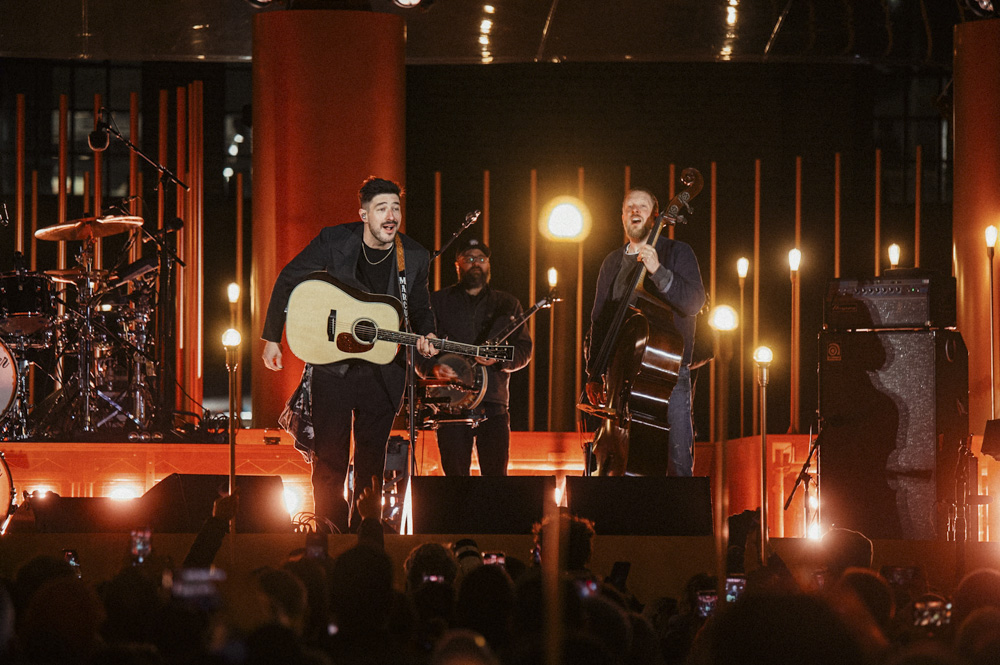
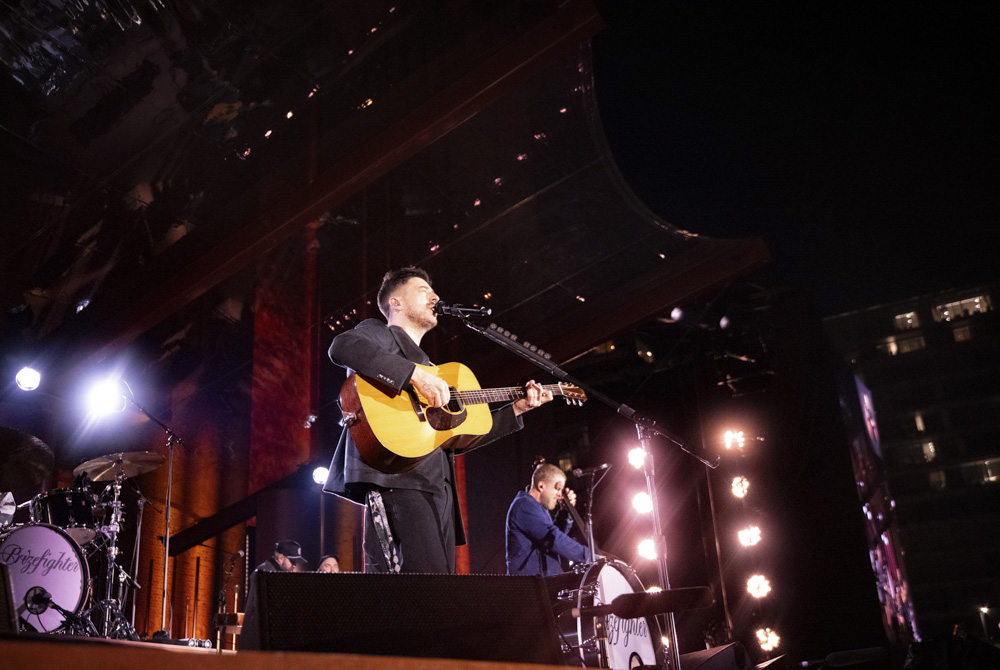
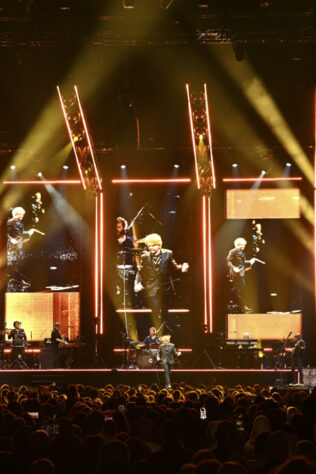
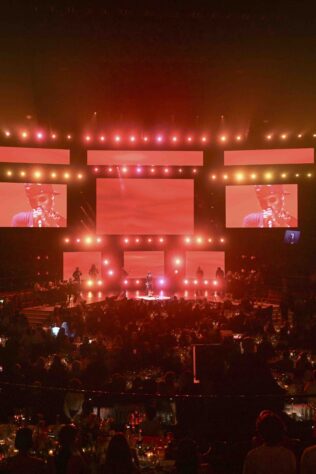
Light played a central role in expressing this concept. A pulsing arrangement of exposed bulbs traced the circular perimeter, referencing the transmission of electricity across the grid. As the performance unfolded, the lights animated in rhythm, creating a visual language that mirrored the flow of power once generated within the building. This movement radiated outward from the stage, producing a wave‑like effect through the audience and turning the crowd into an active part of the experience.
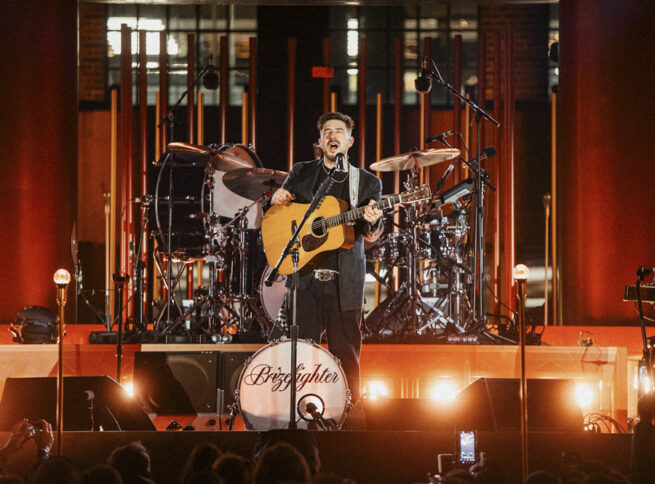
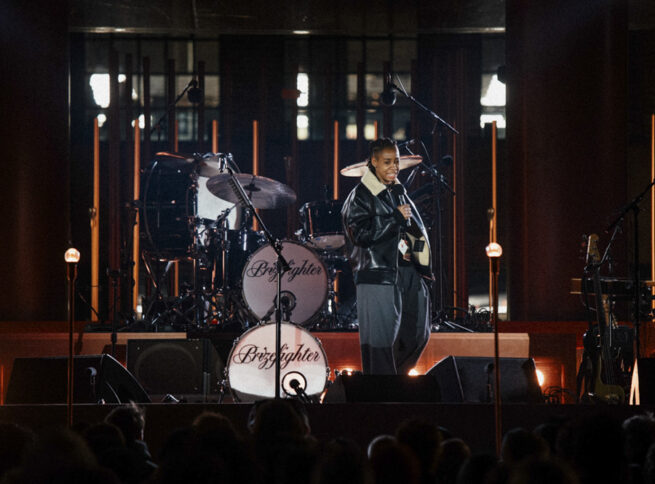
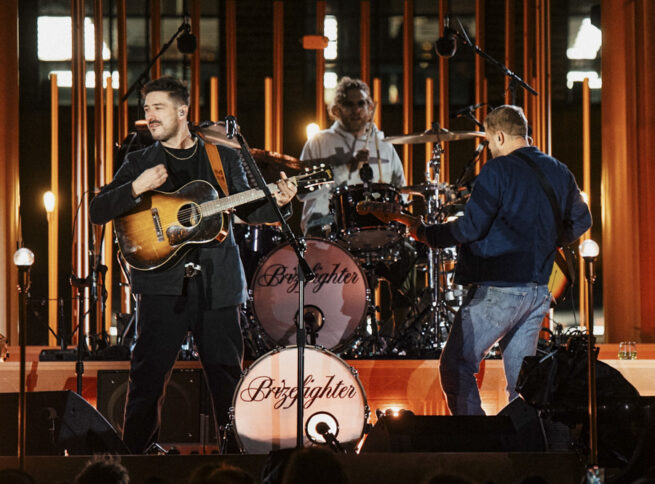
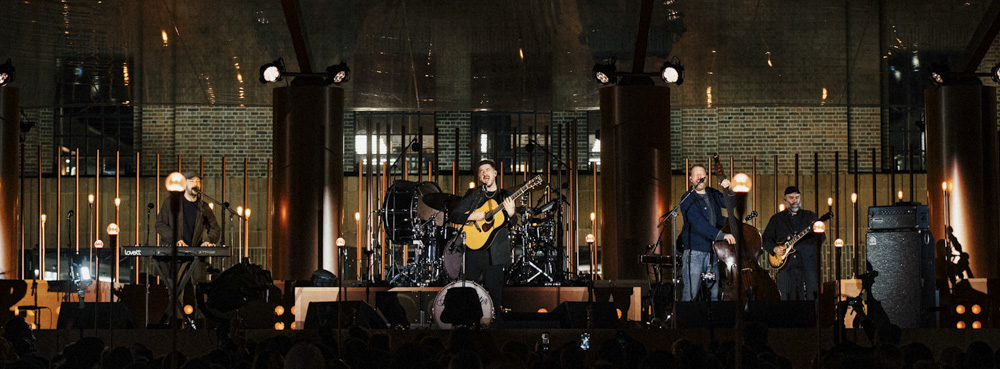
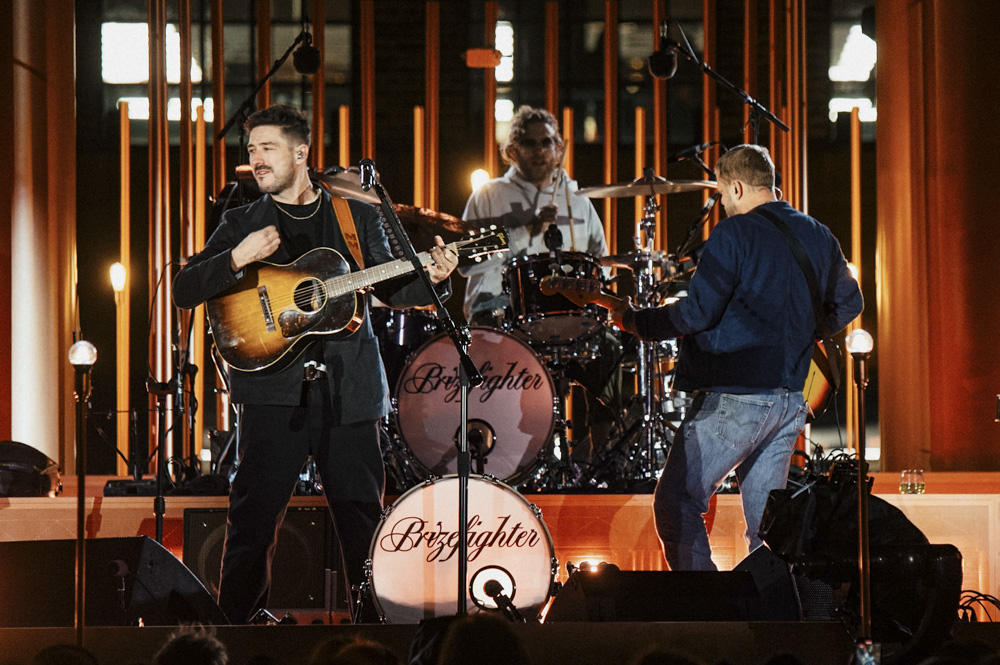
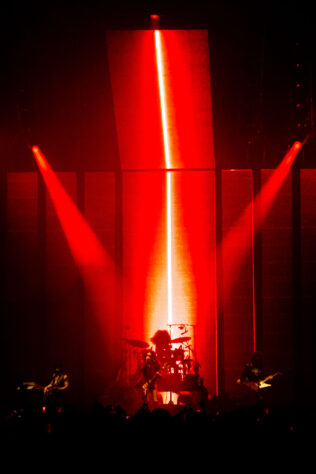
At the centre, the stage acted as both focal point and source. Copper rods and tungsten bulbs positioned behind the performers introduced depth and texture, completing the circular energy loop and suggesting that the energy appeared to emanate directly from the band. This strengthened the connection between music and power, performance and transmission.
The audience was immersed within a field of light and sound. The scattered bulbs and radial layout created the impression of a living network, an abstracted grid brought to life through rhythm and movement.
A secondary circular DJ booth sat on the balcony above, designed for Nia Archives. Its open‑frame roof referenced historic generators, while a halo of light tied it visually to the main stage, extending the shared language of energy and connection.
Credits
Creative Direction Lee Lodge Producers Done and Dusted, Apple Stage Design STUFISH Entertainment Architects Lighting Design Renegade Projection Design 59 Studios Art Director Matt Rees Production Manager Tony Wheeler Stage Fabricators StageCo, Illusion, Blackfriars, Blackout Lighting Supplier PRG Technical Manager Malcolm Birkett Band Production Manager Maggie Mouzakitis
Photos Michal Augustini, STUFISH
APPLE 50
Mumford & Sons
Credit: